
Your product packaging is often the first physical interaction a customer has with your brand. Before they read a word of copy, before they experience what is inside, they see the box, the bag, or the wrap. For NZ product businesses, getting custom packaging printing right is not just about looking good — it is about communicating quality, building trust, and standing out on a shelf or in an unboxing video.
But for many business owners, the path from 'I want great packaging' to 'I have great packaging in my hands' is far more complicated than expected. Material choices, print finishes, minimum order quantities, turnaround times, and finding the right print supplier can quickly become overwhelming, especially if you are running a lean team and juggling everything else a growing brand demands.
This guide walks you through the key decisions involved in custom packaging printing in Auckland and across New Zealand, and explains how working with a print broker like MC2 can simplify the entire process — from brief to delivery.
Table of Contents
Why Packaging Matters More Than Ever for NZ Brands
The NZ retail and e-commerce landscape has grown substantially in recent years. According to Statistics New Zealand, online retail spending continues to rise year on year, which means more products are being shipped directly to consumers. Every one of those deliveries is a packaging moment — an opportunity to impress or disappoint.
For brands selling through physical retail, packaging does even heavier lifting. On a crowded shelf, custom packaging printing is often what creates the initial impulse to pick a product up. Consumers make snap judgements based on visual cues, and a generic, poorly printed box signals a generic, poorly considered product.
Custom packaging printing in Auckland is not just a luxury for large brands. Startups, artisan producers, health and wellness businesses, food brands, and gift companies across New Zealand are all investing in packaging that reflects the quality of what is inside. The question is not whether to invest in custom packaging — it is how to do it well.
Material Choices: What to Use and When
One of the first and most important decisions in any custom packaging printing project is the choice of material. The right substrate depends on your product type, your brand positioning, your budget, and how the packaging will be used — whether shipped, displayed in retail, or handed over at a market stall.
Common Packaging Materials Explained
Corrugated cardboard is the go-to for shipping boxes. It offers excellent protection, is widely recyclable, and can be printed with strong brand graphics either on the outside or inside of the box. For e-commerce businesses in New Zealand, corrugated custom packaging printing is often the highest-volume job they will place.
Folding carton (also known as boxboard or paperboard) is lighter and ideal for retail packaging. Think skincare boxes, supplement packaging, tea boxes, and gift sets. It takes print beautifully, supports premium finishes, and can be die-cut into virtually any shape. This is where custom packaging printing in Auckland really gets exciting for product brands.
Kraft paper bags and pouches are popular with food, artisan, and eco-conscious brands. They have a natural, tactile quality that resonates strongly with New Zealand consumers who value sustainability. Flexible packaging such as pouches with resealable closures suits coffee, snacks, and dried goods particularly well.
Sustainability Considerations for NZ Businesses
Sustainability is not a trend in New Zealand — it is a genuine expectation among consumers. Many NZ product businesses are now asking for FSC-certified materials, compostable packaging options, or soy-based inks as part of their custom packaging printing brief. These options exist and are increasingly accessible, but they require a supplier who understands the specifications and can source them reliably.
Working with a print broker means you have someone who can navigate the growing number of eco-friendly material options and verify that supplier claims about sustainability actually hold up. It is one of the details that matters enormously to your brand reputation and easy to get wrong without the right guidance.
Print Finishes That Elevate Your Packaging
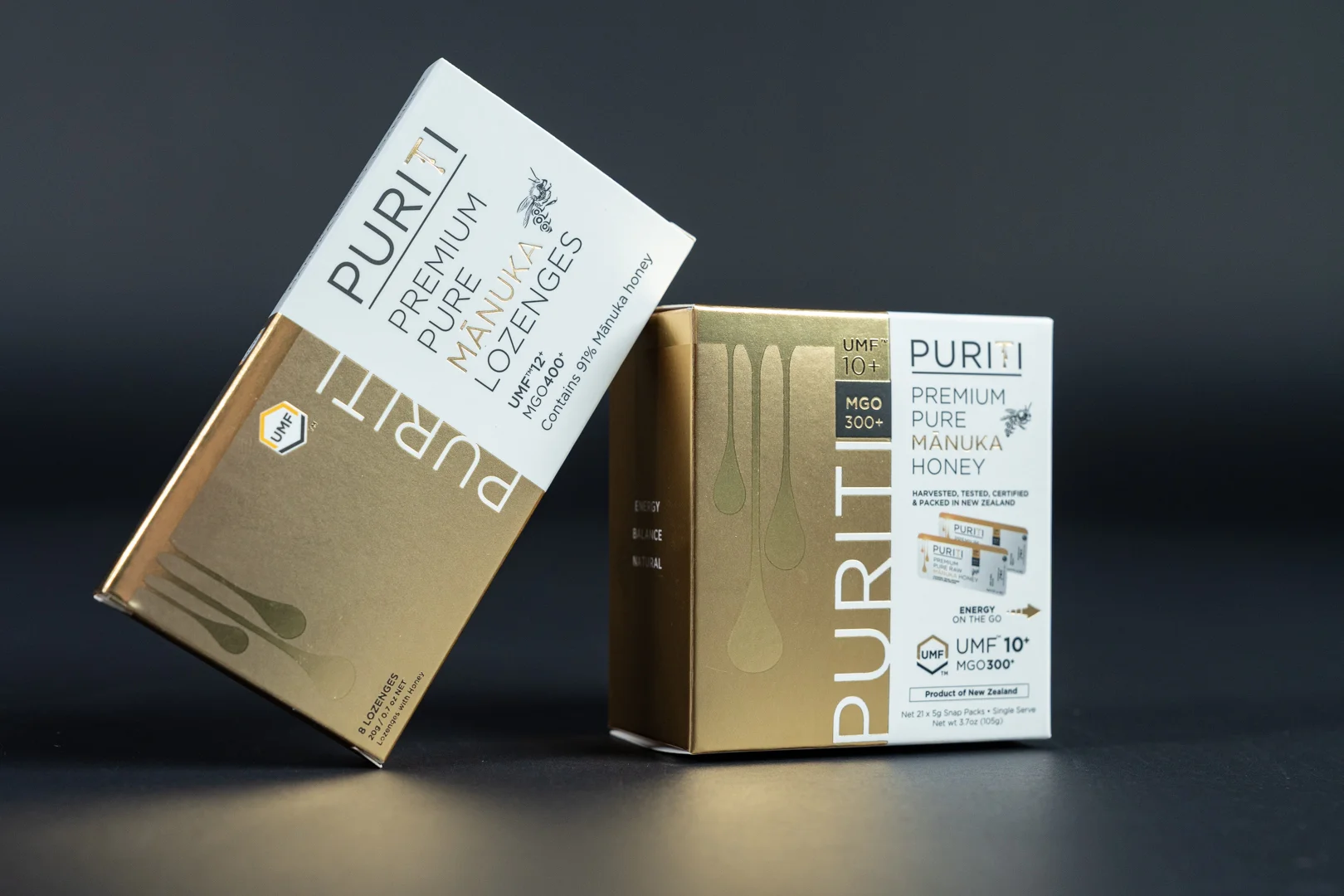
Once you have chosen your material, the print finish is what transforms a functional box into a brand experience. Custom packaging printing in Auckland offers a wide range of finishes, and knowing which ones to use — and where — makes the difference between packaging that looks 'pretty good' and packaging that genuinely stops people in their tracks.
Matt lamination gives packaging a soft, tactile feel that communicates sophistication. It is popular with premium skincare, luxury gifting, and wellness brands. Gloss lamination, by contrast, makes colours pop and photographs well, making it ideal for food packaging and retail products that need to grab attention from a distance.
Spot UV coating is one of the most effective ways to add visual drama to custom packaging printing. Applied selectively over a matt base, it creates a contrast between dull and glossy surfaces that draws the eye exactly where you want it — your logo, a key visual, or a texture element. The effect is subtle in photographs but striking in person.
Foil stamping adds a metallic element — gold, silver, rose gold, holographic — that instantly elevates perceived quality. Embossing or debossing creates a physical texture in the material itself, which is particularly powerful for premium gifting products. These finishes require specific technical expertise from your print supplier, which is why matching the job to the right printer matters so much.
If you are thinking about how print finishes apply across your broader marketing collateral, the same principles that apply to packaging apply to other printed materials. Our guide to custom brochure printing: the complete guide for NZ businesses covers how finishes and material choices work across different printed formats.
Minimum Order Quantities: What NZ Businesses Need to Know
Minimum order quantities (MOQs) are one of the most common sticking points for NZ businesses exploring custom packaging printing. Unlike larger markets overseas, the New Zealand market is relatively small, which means many businesses cannot justify the high volumes that some overseas print suppliers require as minimums.
The reality is that MOQs vary significantly depending on the type of packaging, the printing process, and the supplier. Folding carton packaging printed via offset lithography, for example, typically has higher MOQs than packaging printed digitally. Digital printing technology has lowered the barrier considerably for short-run custom packaging printing in Auckland, making it accessible to startups and small businesses that simply do not need 10,000 units.
Understanding these dynamics is genuinely complex. The 'cheapest per unit' option at high volume is rarely the right answer for a business that is still testing its market or managing seasonal product lines. A print broker can model out the true cost across different run lengths and help you find the most commercially sensible option for your situation.
It is also worth noting that MOQs are often negotiable — particularly when you have an ongoing relationship with a supplier. Part of what MC2 brings to custom packaging printing projects across New Zealand is exactly those kinds of established supplier relationships, which often unlock flexibility that a business approaching a printer cold simply would not get.
For businesses investing in a range of printed brand materials alongside their packaging, it is worth thinking about consolidating print projects for efficiency. Our guide to custom poster printing NZ: sizes, finishes and how to get it right is a useful resource if you are planning a broader print rollout.
The Print Broker Advantage for Custom Packaging Printing in Auckland
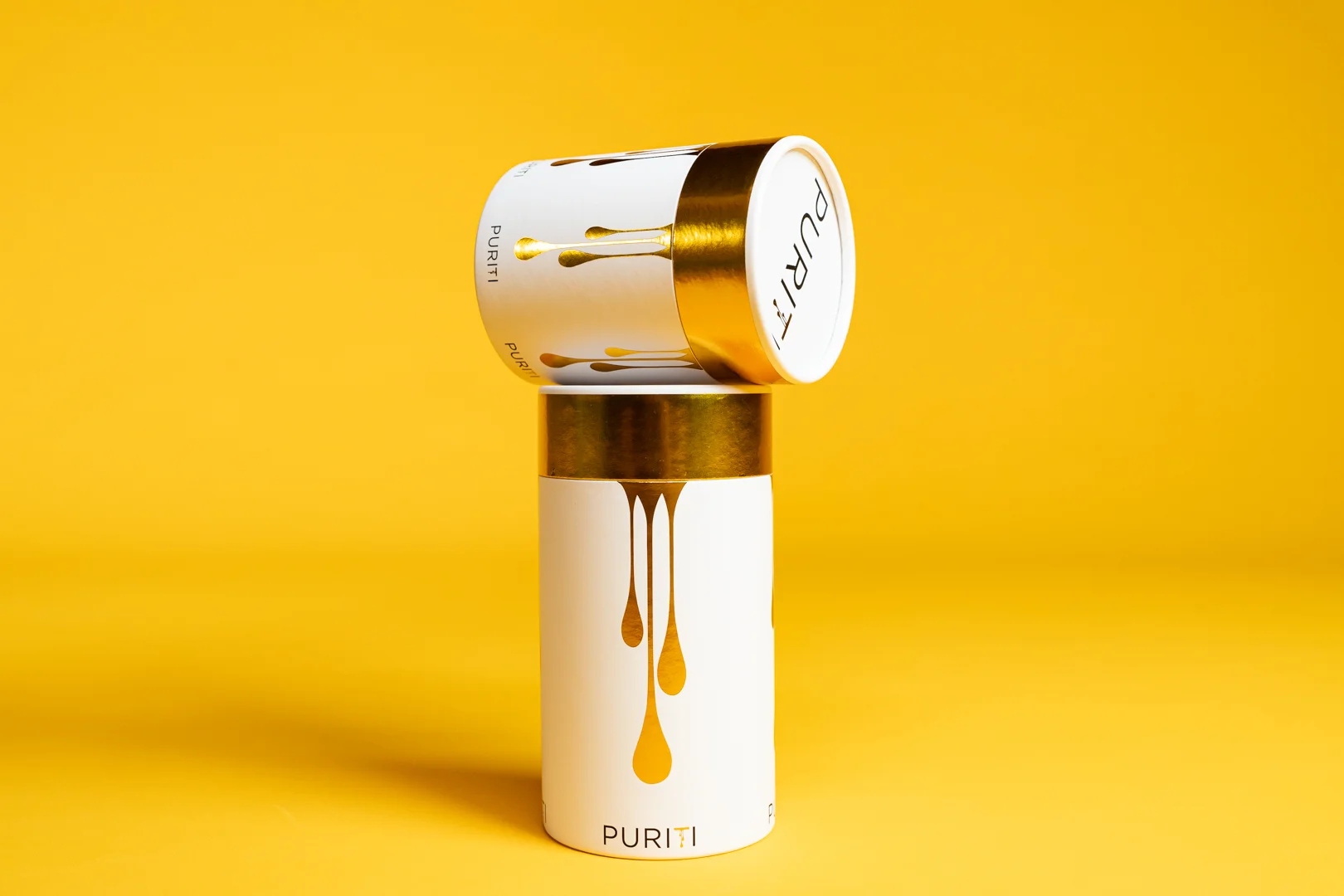
Many businesses assume that going directly to a printer is the most efficient route. In straightforward, low-complexity jobs, that can be true. But custom packaging printing is rarely straightforward — and the more premium or technical your requirements, the more valuable a print broker becomes.
Print brokers like MC2 work with a network of specialist suppliers, each with different strengths. Some printers excel at high-volume corrugated work. Others specialise in short-run folding carton with luxury finishes. Some have the most competitive pricing for flexible pouches. None of them does everything equally well, and knowing which supplier to match to your specific job is knowledge that takes years to accumulate.
When you work directly with a single printer, you are limited to what that printer does well and what their equipment can handle. When you work with MC2, you get access to the right printer for your job — not just the one that happens to answer the phone.
Managing the Full Process, Not Just the Quote
Custom packaging printing involves more decisions and more handoff points than most clients anticipate. Artwork preparation, dieline templates, colour proofing, press approval, quality checks, delivery scheduling — each stage requires attention, technical knowledge, and clear communication between all parties.
A print broker manages all of that on your behalf. If a proof comes back and the colours are not right, we handle the conversation with the printer and get it resolved. If there is a lead time issue because a supplier's press is down, we already know who else can step in. This hands-on process management is not a nice-to-have for custom packaging printing — it is the thing that protects your timeline, your budget, and your brand.
For businesses investing in premium branded items across the board, the same careful approach applies to every printed product. Our guide to custom notebook printing Auckland: the complete guide to premium PU leather journals shows how this level of detail applies to high-end branded merchandise.
What to Expect When You Work With MC2
MC2 is based in Rosedale, Auckland, and works with product businesses, startups, and established brands across New Zealand. Our approach to custom packaging printing starts with understanding your product, your brand, your volumes, and your timeline — before we ever talk about a specific printer or price.
We take your brief and translate it into a clear print specification. We then identify the right supplier or suppliers for the job, manage the quoting process, oversee artwork preparation and proofing, and stay across production through to delivery. You have one point of contact throughout the process, which means no chasing multiple suppliers and no confusion about who is responsible for what.
Custom packaging printing in Auckland can feel like a minefield when you are dealing with it for the first time — or even the fifth time. Dieline files, bleed requirements, substrate specifications, colour profiles: the technical language alone can be off-putting. Our role is to translate all of that into plain language, make the right calls on your behalf, and deliver you packaging that does exactly what your brand needs it to do.
Whether you are ordering 500 units of a premium folding carton for a boutique skincare range or 10,000 corrugated mailer boxes for an e-commerce brand shipping nationwide, MC2 manages the complexity so you do not have to.
Frequently Asked Questions
What is the minimum order quantity for custom packaging printing in Auckland?
Minimum order quantities vary depending on the type of packaging and the printing process used. Digital printing typically allows for shorter runs, sometimes starting from as few as 100 to 250 units, while offset-printed folding carton often requires higher minimums. MC2 can advise on the most cost-effective run length for your specific packaging project.
How long does custom packaging printing in Auckland take?
Turnaround times for custom packaging printing depend on the complexity of the job, the finishes required, and the supplier’s current capacity. For packaging produced locally, a standard job with a straightforward finish is usually around two weeks from approved artwork.
If you are adding specialty finishes such as foil, this can increase the timeframe to around two to three weeks, depending on the details of the job. MC2 discusses realistic timelines upfront so you can plan your packaging with confidence and avoid last-minute surprises.
Can I order custom packaging printing in small quantities as a startup?
Yes. Short-run custom packaging printing in Auckland is increasingly accessible thanks to digital printing technology. Many NZ startups begin with smaller quantities to test their packaging before committing to a larger run. MC2 works with suppliers who cater to short-run requirements and can help you find the right balance between cost per unit and the quantity you actually need.
What files do I need to supply for custom packaging printing?
Most custom packaging printing suppliers require high-resolution artwork supplied as a print-ready PDF, typically with a 3mm bleed, correct colour profiles (CMYK), and fonts embedded or converted to outlines. For packaging, you will usually also need to work from a dieline template provided by the printer. MC2 manages the artwork and dieline process on your behalf, so you are not left navigating technical file requirements alone.
Does MC2 handle custom packaging printing for businesses outside of Auckland?
Absolutely. While MC2 is based in Rosedale, Auckland, we manage custom packaging printing projects for businesses across New Zealand. Our supplier network spans both domestic and international printers, and we handle the full process remotely — brief, artwork, proofing, production, and delivery — regardless of where your business is located.
Ready to Elevate Your Packaging?
Custom packaging printing in Auckland is one of the most impactful investments a product business can make. From the material you choose to the finish that makes your brand unmistakable, every decision shapes how your customers experience your product — before they have even opened it.
The complexity of the process does not have to fall on your shoulders. MC2 exists to match the right print solution to your specific brief, manage every step with precision, and deliver packaging that genuinely reflects the quality of your brand.
If you are ready to start a conversation about custom packaging printing in Auckland or anywhere across New Zealand, we would love to hear about your project.
MC2 Print
28 Constellation Drive, Rosedale, Auckland
Email: maria@mc2.co.nz
Phone: 021 824 933
There is something undeniably powerful about handing someone a beautifully crafted, branded journal. It is not just a notebook, it is a physical representation of your brand's quality, attention to detail, and commitment to the people you work with. For Auckland businesses looking to make a lasting impression through corporate gifting, retail merchandise, or premium branded stationery, custom notebook printing in Auckland is one of the highest-value investments you can make.
At MC2, we work with businesses across New Zealand to produce premium PU leather cover journals that go far beyond the standard off-the-shelf options. Through our trusted supplier network, we deliver custom sizing, foiling, debossing, and a range of other premium finishes that turn a simple notebook into a genuinely memorable product. Whether you are a boutique brand in Ponsonby or a corporate team in the CBD, this guide covers everything you need to know.
Table of Contents
Why PU Leather Journals Are the Premium Choice for NZ Businesses
PU (polyurethane) leather has become the material of choice for premium branded journals across the globe, and New Zealand businesses are quickly catching on. It offers the sophisticated look and feel of genuine leather at a more accessible price point, making it ideal for bulk corporate orders without sacrificing the premium aesthetic your brand deserves.
The durability of PU leather is another major drawcard. It resists wear, handles daily use well, and maintains its appearance over time — meaning your brand stays looking sharp long after the journal is first unwrapped. For custom notebook printing Auckland clients who want longevity built into their product, PU leather delivers consistently.
Beyond function, there is a tactile quality to a PU leather journal that simply cannot be replicated by a standard cardboard cover. When a client, employee, or customer holds it, they immediately register the quality. That sensory experience is part of your brand story, and it is one worth investing in.
Top Use Cases for Custom Notebook Printing in Auckland
Custom notebook printing in Auckland serves a surprisingly wide range of business needs. Understanding the different use cases helps you make smarter decisions about quantity, finish, and design before you place your order.
Corporate Gifting and Client Appreciation
Corporate gifting is one of the most popular applications for premium PU leather journals in New Zealand. A beautifully finished journal with your company's logo foiled on the cover communicates care, professionalism, and brand pride in a single gesture. It is a gift that gets used every day, keeping your brand top of mind long after the initial moment of giving.
Auckland's corporate sector, from finance and legal to tech and property, has a strong culture of client relationship-building. A premium branded journal fits naturally into this world, offering a practical yet thoughtful alternative to generic gift hampers or digital vouchers. For end-of-year gifting, onboarding packs, or milestone moments, custom notebook printing in Auckland is a smart, high-impact choice.
Retail Products and Branded Merchandise
For product-based businesses, custom notebook printing in Auckland opens the door to a compelling retail offering. Boutique stationery brands, lifestyle businesses, and creative studios can develop their own signature journal range with fully customised covers, internal layouts, and branding — without needing to manufacture anything themselves.
This is particularly relevant for New Zealand's growing community of independent retailers and e-commerce brands who want to expand their product range with high-margin, low-complexity items. A well-designed PU leather journal with your branding can retail at a strong margin while reinforcing your brand identity at every touchpoint. If you are already investing in other printed materials — perhaps exploring custom brochure printing for NZ businesses — adding a branded journal range is a natural extension of that strategy.
Conference and Event Merchandise
Events and conferences are another strong use case for custom notebook printing in Auckland. Delegates remember the physical items they take home far longer than they remember digital follow-ups. A premium journal handed out at a conference or workshop instantly elevates the perceived value of the event and encourages ongoing engagement with your brand.
For event organisers, custom sizing options mean you can tailor the journal to the specific context — a compact A6 for a networking event, or a full A4 for a leadership workshop where participants are expected to take detailed notes. Getting the sizing right is part of what makes the product feel considered rather than generic.
Premium Finishes: Foiling, Debossing, and More
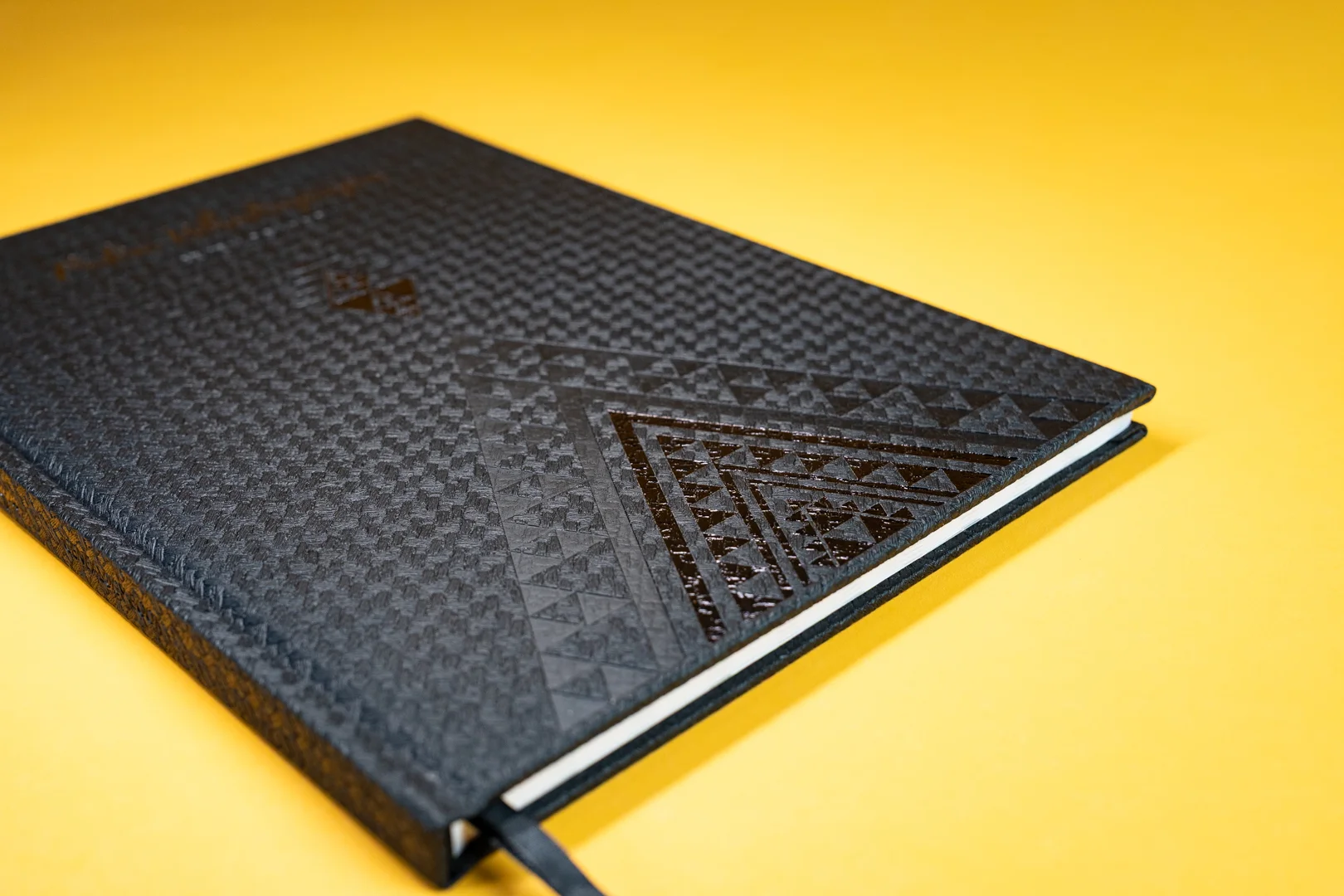
One of the biggest advantages of working with MC2 for custom notebook printing in Auckland is access to a wide range of premium finishing options. These finishes are what elevate a journal from a functional product to a luxury brand asset.
Gold and Silver Foiling
Foiling is the process of applying a metallic or pigmented film to the cover surface using heat and pressure. Gold foiling is consistently the most popular choice for corporate clients, conveying prestige, quality, and occasion. Silver foiling offers a cleaner, more contemporary look that works well for tech companies and modern brands.
Foiling on PU leather is particularly striking because the contrast between the matte leather texture and the reflective foil finish creates a genuinely premium visual effect. For custom notebook printing in Auckland's competitive corporate gifting market, foiling is often the detail that makes a client's eyes light up when they open the packaging.
Debossing and Embossing
Debossing presses your logo or design into the PU leather surface, creating a recessed impression that is tactile as well as visual. It is understated, elegant, and deeply satisfying to run a finger across — which is precisely why it is such a popular finish for high-end journals. Embossing, the raised counterpart, creates a similarly premium result with slightly more visual prominence.
These techniques work especially well for logos with clean lines and strong shapes. If your brand mark involves fine detail or very small text, our team will advise on the best approach to ensure the finish translates cleanly at scale. This kind of technical guidance is central to how MC2 manages custom notebook printing in Auckland.
Colour Printing, UV Spot Coating, and Custom Endpapers
Beyond foiling and debossing, there are additional finishing options that can further distinguish your journal. Full-colour printing on the cover allows for photographic imagery or complex brand designs. UV spot coating adds a gloss layer to specific areas, creating an elegant contrast between matte and shiny surfaces.
Custom endpapers, ribbon bookmarks, elastic closures, and pen loops are all additional details that contribute to the overall premium experience. When you are investing in custom notebook printing in Auckland, it is worth considering the full package — because every element the end user touches communicates something about your brand.
How MC2 Manages Your Custom Notebook Printing Project
At MC2, we operate as more than just a printer. We manage the entire production process on your behalf, from initial design consultation through to final delivery. This is especially important for custom notebook printing in Auckland, where the combination of premium materials, specialist finishes, and tight deadlines requires experienced coordination.
Our approach mirrors the kind of meticulous project management we bring to all complex print work. Just as we guide clients through technically demanding projects like board game production and if that interests you, our complete guide to custom game printing in NZ is worth a read, we apply the same rigour and supplier expertise to premium journal orders.
We work with a carefully selected network of trusted suppliers who specialise in premium stationery production. This means we can offer competitive lead times, consistent quality standards, and the kind of technical precision that simply is not available through a generic online print portal. Every custom notebook printing Auckland order we handle goes through a quality check process before anything leaves the factory floor.
From Brief to Delivery: What the Process Looks Like
The process starts with a conversation. We want to understand your brand, your audience, your budget, and your timeline. From there, we advise on the most appropriate size, cover material, finish options, and internal layout to suit your specific needs. This is not a one-size-fits-all service, every custom notebook printing in Auckland project we manage is tailored.
Once the brief is confirmed, we work with our suppliers to produce physical proofs where required, ensuring the finish, colour accuracy, and overall quality meet your expectations before any full production run begins. This stage is critical for foiling and debossing, where the interaction between the die and the material needs to be tested and refined. We handle all of this on your behalf, keeping communication clear and timelines on track.
Custom Sizing and Specifications: What You Need to Know
Custom notebook printing in Auckland is not limited to standard A5 journals. While A5 remains the most popular size for corporate and retail use, MC2 can produce journals in a wide range of dimensions to suit your specific application. A4 journals work well for workshop settings; pocket-sized A6 versions are ideal for branded merchandise or compact gifting.
Internal specifications are equally important. Page count, ruling style (lined, blank, dotted, or grid), paper weight, and binding method all affect the overall feel and function of the finished journal. A heavier GSM paper prevents ink bleed-through and adds to the premium feel; lay-flat binding is highly practical for active note-takers; and a ribbon marker adds a finishing touch that users genuinely appreciate.
For businesses ordering at volume, it is also worth considering packaging options. Branded belly bands, custom boxes, or tissue-wrapped presentation packs can significantly enhance the unboxing experience, particularly relevant for corporate gifting or retail applications. Just as businesses investing in custom poster printing across NZ consider how their printed materials will be displayed and received, the same care should go into how your journals arrive in the hands of their recipients.
Minimum order quantities vary depending on the specification, but as a general guide, custom notebook printing in Auckland becomes increasingly cost-effective at quantities of 50 and above. We are happy to discuss your requirements and provide a clear quote with no obligation. The more detail you can provide upfront, the more accurately we can guide your decision-making.
It is also worth noting that custom notebook printing in Auckland timelines vary based on finish complexity and order volume. Standard PU leather journals with foiling or debossing typically require four to six weeks from confirmed artwork to delivery. If you have a hard deadline, such as a conference date or gifting season, sharing that early in the conversation allows us to plan accordingly and avoid any last-minute pressure on quality.
For Auckland businesses looking to source premium stationery that truly reflects their brand, the combination of PU leather, specialist finishes, and MC2's managed production process represents exceptional value. Custom notebook printing in Auckland is no longer the exclusive territory of large multinationals — it is accessible, scalable, and genuinely impactful for businesses of all sizes.
Frequently Asked Questions
What is the minimum order quantity for custom notebook printing in Auckland?
Minimum order quantities for custom notebook printing in Auckland depend on the specification and finish selected. As a general guide, orders of 50 units and above offer the best value, particularly for foiled or debossed covers. Contact the MC2 team to discuss your specific requirements and receive an accurate quote.
How long does custom notebook printing in Auckland take?
Lead times for custom notebook printing in Auckland typically range from four to six weeks from confirmed artwork approval to delivery. More complex specifications or larger volumes may require additional time. We recommend sharing your deadline early so we can plan the production schedule accordingly.
Can I get a physical proof before my full order is produced?
Yes. For custom notebook printing in Auckland orders involving specialist finishes like foiling or debossing, MC2 arranges physical proofs prior to full production. This ensures the finish quality, colour accuracy, and overall presentation meet your expectations before any large-scale printing begins.
What finishes are available for custom notebook printing in Auckland?
MC2 offers a range of premium finishes for custom notebook printing in Auckland, including gold and silver foiling, debossing, embossing, full-colour cover printing, UV spot coating, and custom endpapers. Additional options such as ribbon bookmarks, elastic closures, and pen loops are also available depending on your specification.
Can MC2 help with the design of my custom notebook printing Auckland order?
MC2 works closely with clients throughout the briefing and design process to ensure artwork is optimised for the chosen finish and material. While we recommend working with your own designer for brand-specific artwork, we can provide technical specifications and guidance to ensure your design translates perfectly to the final printed product.
Ready to Create Something Exceptional?
A premium PU leather journal with your brand foiled or debossed on the cover is one of those rare marketing investments that people actually want to use. It sits on desks, travels in bags, and turns up in meetings, quietly doing the work of brand reinforcement every single day. For Auckland businesses that care about the quality of every touchpoint, custom notebook printing in Auckland is a product worth getting right.
At MC2, we bring the same precision and supplier expertise to custom notebook printing in Auckland that we apply to every complex print project we manage. From your first enquiry through to final delivery, we are with you at every stage — advising, coordinating, quality-checking, and making sure the finished product reflects the standard your brand deserves.
If you are ready to explore what is possible, we would love to hear from you. Get in touch with the MC2 team today to discuss your custom notebook printing Auckland project.
MC2 Print
28 Constellation Drive, Rosedale, Auckland
Email: maria@mc2.co.nz
Phone: 021 824 933
A brochure is often the first physical impression your business makes. It sits on a reception desk, gets handed to a prospect at a trade show, or arrives in the post as part of a carefully planned campaign. Done well, a professionally printed brochure builds trust and drives action. Done poorly, it quietly undermines everything your brand stands for.
The options for custom brochure printing are wide, but the quality gap between providers is significant. Knowing what separates a great result from a disappointing one, before you place your order, can save you both money and stress.
At MC2, based in Rosedale, Auckland, we work with marketing managers, small business owners, and brand teams across New Zealand and globally to deliver print results that are consistent, professional, and genuinely worth handing over. This guide covers everything you need to know about custom brochure printing, from paper selection to folding formats, finishes, and how to get your colours right every single time.
Table of Contents
Why Brochures Still Matter in a Digital World
Despite the rise of digital marketing, print remains one of the most trusted communication formats. A physical brochure engages multiple senses, it has weight, texture, and permanence that a digital ad simply cannot replicate. Research consistently shows that people retain information better when they read it in print compared to on a screen.
For businesses operating in competitive sectors like real estate, professional services, hospitality, or retail, a well-crafted brochure reinforces credibility. It signals that you invest in quality, and that attention to detail extends to how you deliver your services.
Custom brochure printing remains one of the highest-return investments in a physical marketing toolkit. When the print quality is right, a brochure keeps working for your brand long after the initial campaign has ended.
Choosing the Right Paper Stock for Your Brochure
Paper choice is one of the most impactful decisions you will make in the brochure printing process, and it is often the most misunderstood. The weight, coating, and texture of the paper you choose will shape how your audience perceives your brand before they have read a single word.
For most standard brochures, a coated stock in the 130gsm to 170gsm range delivers a good balance of quality and cost-effectiveness. Coated stocks are ideal when your brochure includes photography or detailed graphics, as the coating prevents ink from being absorbed into the paper fibre, producing sharper, more vibrant imagery.
Silk, Gloss, and Uncoated Stocks Explained
Silk-coated stock is the most popular choice for brochure printing projects. It offers a smooth, low-sheen finish that is easy to read under most lighting conditions, without the glare associated with high-gloss paper. Gloss stock delivers vivid, punchy colour and is well-suited to product-led brochures where bold visuals are the hero.
Uncoated stock gives a more natural, tactile feel and is preferred by brands that want to communicate authenticity, sustainability, or a premium editorial quality. Think architecture firms, boutique hospitality venues, or organic product businesses. Your MC2 print consultant can walk you through physical samples so you can feel the difference before committing.
Heavier Stocks for a Premium Impression
If your brochure needs to make a strong impression, for example at a product launch, in a premium retail environment, or as part of a high-value sales proposal, consider stepping up to a 200gsm to 350gsm stock. At this weight, a brochure starts to feel more like a booklet or catalogue, lending it a sense of permanence and quality.
Heavier stocks are particularly effective when combined with special finishes, which we cover in the next section. The additional investment in paper weight nearly always pays off in how your audience responds to the material.
Finishes and Special Effects That Elevate Your Brand
The finish applied to your brochure is what transforms a standard printed piece into something that genuinely stands out. The right finish can mean the difference between a brochure that gets kept and one that gets discarded.
Lamination is the most common finish and comes in matte, gloss, or soft-touch (velvet) options. Matte lamination provides a refined, non-reflective surface that is excellent for text-heavy brochures. Soft-touch lamination adds a luxurious, almost velvety texture that feels exceptional in the hand and is increasingly popular with premium lifestyle and property brands.
Spot UV, Foil Stamping, and Embossing
For brochures that need to make an immediate visual impact, spot UV coating selectively applies a high-gloss varnish to specific elements, such as your logo, a headline, or a key image. The contrast between the matte laminated background and the high-gloss spot UV creates a striking tactile and visual effect.
Foil stamping and embossing are at the premium end of the spectrum and are particularly effective on brochure covers. These finishes are frequently used in industries where perceived value is critical, including finance, luxury real estate, legal services, and high-end hospitality. MC2 manages these more complex finishing processes with careful quality oversight, so the results are consistent across your entire print run.
Folding Options and Format Choices
The format and fold of your brochure determines how your audience engages with your content. A poorly chosen format can make even excellent content feel disjointed, while the right fold creates a natural reading journey through your message.
The most widely used format is the standard DL (one-third A4) tri-fold, which fits neatly into a standard envelope and is ideal for service overviews, event information, or menus. It is cost-effective, familiar to audiences, and easy to distribute in bulk.
For campaigns that need more real estate, an A4 or A5 bifold (simple half-fold) gives you four clear panels to work with, offering more space for imagery and content without increasing complexity. These are commonly used for property listings, product showcases, and corporate capability statements.
Z-Folds, Gate Folds, and Concertina Options
When your content calls for something more distinctive, MC2 can produce z-fold (zigzag), gate fold, and concertina (accordion) formats. Gate fold brochures, where two outer panels open from the centre, create a reveal effect that is particularly powerful for product launches or premium brand campaigns.
Concertina folds are popular for maps, timeline-based content, or step-by-step guides because the format naturally accommodates sequential information. These specialty folds require precise production management to ensure alignment is exact across every panel, which is where having a knowledgeable print partner makes a genuine difference. Much like our work on complex projects such as custom game printing in NZ, multi-panel brochures demand tight quality control at every production stage.
Colour Consistency and Quality Control
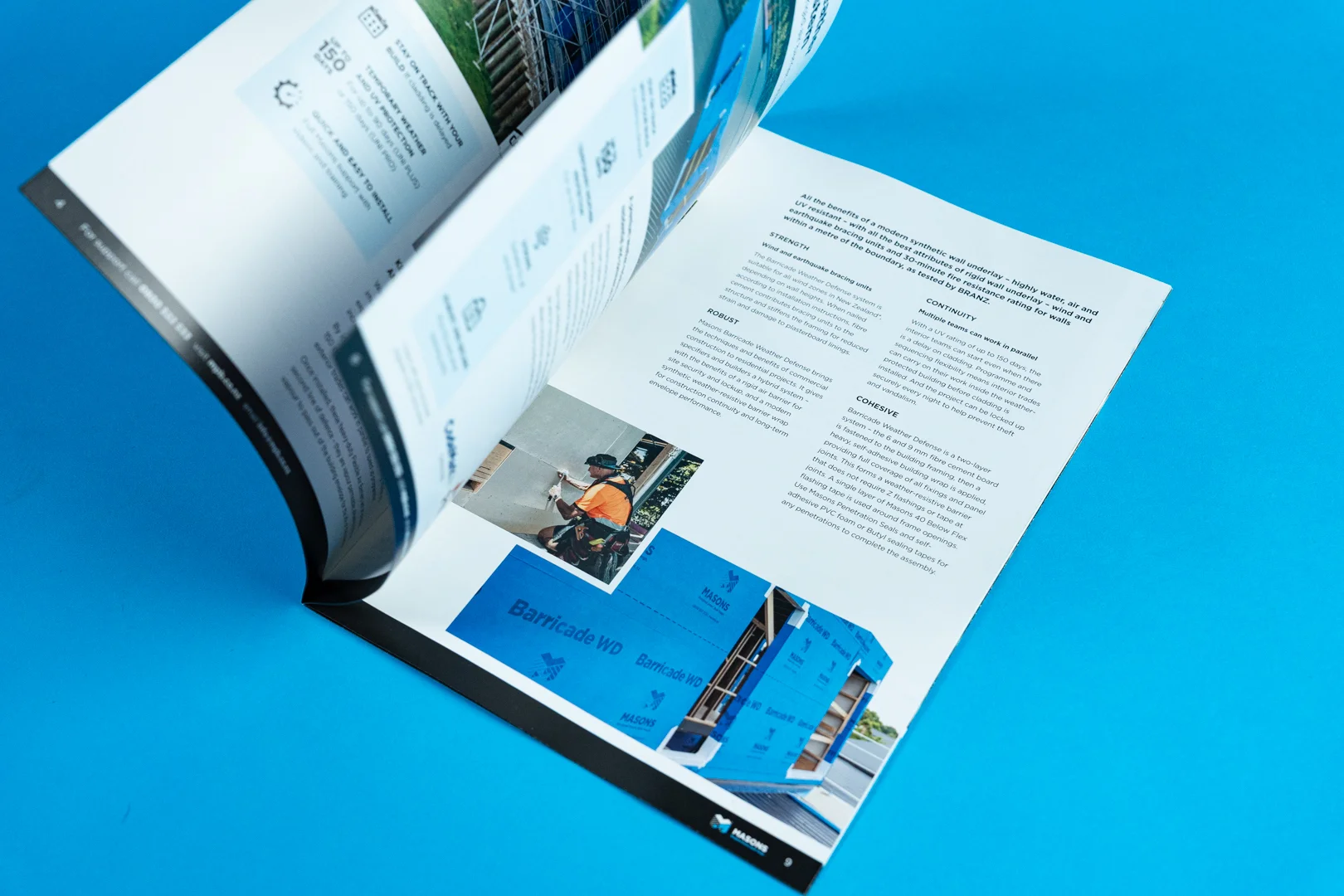
One of the most common pain points we hear from businesses about previous print experiences is inconsistent colour. A brand that looks vibrant and confident on screen can arrive printed looking flat, dull, or noticeably different from expectations. This is not just frustrating; it actively damages your brand credibility.
Colour inconsistency in brochure printing typically stems from a few root causes. Files supplied in RGB rather than CMYK, insufficient colour profiling by the printer, or the use of equipment that has not been properly calibrated are all common culprits. At MC2, we review your files before they go to press and flag any issues that could affect colour output.
If your brand has specific Pantone colours, we can discuss the best approach to achieve the closest possible match within your budget. For businesses with strict brand guidelines, even small deviations in colour can be significant. That attention to colour accuracy is part of what makes professional print management so valuable.
The same precision we bring to brochure work applies across all printed materials. If you are also producing large-format displays for your campaign, our guide to custom poster printing sizes, finishes and how to get it right is worth reviewing alongside this article.
Print Run Considerations: How Many Should You Order?
One of the most practical questions for any business considering custom brochure printing is how many to order. Print economics reward volume: the unit cost per brochure drops significantly as quantities increase because setup and press costs are spread across a larger run.
For short runs of 250 to 500 brochures, digital printing is the most cost-effective and flexible option. Digital print allows for faster turnaround, lower minimum quantities, and even variable data printing, where personalised details can be incorporated into individual brochures. It is ideal for targeted direct mail campaigns or niche audiences.
For runs of 1,000 brochures and above, offset printing typically delivers superior colour accuracy and a lower cost per unit. Offset is the method of choice for high-volume distribution, trade shows, retail environments, and annual reporting materials. The quality ceiling is higher, and the consistency across the full print run is exceptionally reliable.
When you are unsure of the right quantity, a conversation with the MC2 team can help you weigh up the economics and plan a print run that fits both your budget and your distribution strategy. Ordering too few and reprinting is almost always more expensive than ordering slightly more upfront.
Offshore Printing vs. Local Expertise
The allure of offshore printing, particularly from large Asian print hubs, is understandable. Lower unit costs look attractive on paper. But for many businesses across New Zealand and beyond, the experience of using offshore printers has come with real costs that were not visible in the original quote.
Shipping times, customs delays, and the inability to review physical proofs before a full print run are significant risks. When a brochure arrives with the wrong colour, an alignment issue, or paper that does not match what was ordered, there is very little recourse when your supplier is operating across a different time zone and legal jurisdiction.
Working with a local print partner means you can request physical proofs, communicate directly and promptly, and have confidence that someone is genuinely accountable for the outcome. At MC2, we are based in Rosedale, Auckland, and we service clients across New Zealand and internationally. That proximity and accessibility matter when deadlines are tight or when something needs to be resolved quickly.
The same principle applies across all specialist print projects. Whether you are producing brochures or something more complex like a children's book, local expertise and hands-on quality oversight consistently deliver better results than rolling the dice on an offshore provider you have never met.
According to Statistics New Zealand, small and medium businesses make up the vast majority of NZ enterprises. For these businesses, getting print right the first time is not just about aesthetics; it is about protecting tight marketing budgets and maintaining brand trust with customers who expect professionalism.
Frequently Asked Questions
What is the minimum order quantity for custom brochure printing?
At MC2, we can accommodate short runs starting from as few as 250 brochures using digital printing. For larger volumes of 1,000 or more, offset printing becomes the more cost-effective and quality-consistent option. We will recommend the best method based on your quantity and budget.
How long does custom brochure printing typically take?
Turnaround times vary depending on the complexity of the job, the finish required, and the print run size. Standard digital brochure printing can often be completed within three to five business days once print-ready files are approved. Offset runs or jobs with specialty finishes like foil or embossing will require additional lead time, which we will confirm at the quoting stage.
What file format should I supply for custom brochure printing?
We recommend supplying print-ready PDF files with all fonts embedded, images at a minimum of 300dpi, and artwork set up in CMYK colour mode with 3mm bleed on all edges. If you are unsure whether your files meet these specifications, our team can review them before production begins to flag any issues early.
Can MC2 help with brochure design as well as printing?
While MC2's core expertise is in print production and management, we work closely with trusted design partners and can advise on layout, paper choice, and format during the briefing process. If you have an existing designer, we are happy to work directly with them to ensure the artwork is set up correctly for print.
What are the most popular paper stocks for custom brochure printing?
The most frequently requested stocks for brochure printing are 150gsm silk coated for general marketing brochures, and 170gsm to 200gsm gloss or matte for premium applications. Soft-touch laminated covers on heavier stocks are increasingly popular among businesses wanting to make a strong first impression. We always recommend requesting a physical sample before committing to a final paper selection.
Get Started with Custom Brochure Printing
A professionally produced brochure is one of the most enduring and effective marketing tools available to businesses worldwide. When the paper, finish, format, and colour are all working together, it communicates quality in a way that no digital asset quite can.
Whether you need a short-run digital brochure for a targeted campaign, a high-volume offset print for national or international distribution, or a premium foil-finished piece for a flagship launch, MC2 has the expertise to deliver it properly. We are Auckland-based and work with clients across New Zealand and globally.
Custom brochure printing is what we do. We manage the process end to end, from file review and paper selection through to finishing and delivery, so you can focus on your business with confidence that your print is in good hands.
Get in touch with the MC2 team today to discuss your brochure project. We are based at 28 Constellation Drive, Rosedale, Auckland, and we work with businesses across New Zealand and around the world.
MC2 Print: maria@mc2.co.nz | 021 824 933
A well-printed poster does more than fill a wall. It stops people in their tracks, communicates your brand at a glance, and leaves an impression that digital screens rarely can. For businesses, creatives, and event organisers across New Zealand, custom poster printing is one of the most versatile and cost-effective marketing tools available, when it is done properly.
The challenge is that 'done properly' means something different for a boutique café in Ponsonby, a fashion retailer on Queen Street, or a music promoter plastering gig posters across the CBD. Getting the size, paper stock, finish, and print quality right for your specific use case requires knowledge, the right print partner, and someone to manage the process from brief to delivery.
That is exactly what we do at MC2. Based at 28 Constellation Drive in Rosedale, Auckland, we source the right print partner for every poster job — ensuring quality, competitive pricing, and a result that actually works for your environment and audience. We work with clients throughout New Zealand.
Table of Contents
Why Posters Still Work for NZ Businesses
In visually saturated environments, it might seem counterintuitive to invest in print. But that saturation is precisely why physical print cuts through. A striking poster in a high-traffic location commands attention in a way that a social media post, scrolled past in seconds, simply cannot.
Research from Think Out of Home New Zealand consistently highlights the strong recall rates of physical printed media, particularly in retail and hospitality environments. When people are physically present in a space — shopping, dining, waiting — they engage with printed materials at a much deeper level than with digital advertising.
For New Zealand businesses, custom poster printing is an accessible entry point into high-impact visual marketing. Whether you are promoting a seasonal sale, an upcoming event, a new product line, or simply building brand awareness, a well-crafted poster delivers a return that is hard to argue with.
The key word, of course, is 'well-crafted'. Poor print quality, the wrong finish for the environment, or an ill-fitting size can undermine an otherwise excellent design. That is where working with the right print management partner makes all the difference.
Poster Sizes and Formats: What You Need to Know
One of the most common questions we get at MC2 is simply: 'What size poster do I need?' The honest answer is that it depends entirely on where and how the poster will be used. Custom poster printing projects cover everything from intimate A3 café menus to large-format street-facing displays, and each context has its own requirements.
Standard Poster Sizes in New Zealand
The most commonly requested sizes for custom poster printing follow the ISO A-series standard used throughout New Zealand. A3 (297 x 420mm) is popular for retail point-of-sale, noticeboards, and framed displays. A2 (420 x 594mm) works well for event promotions, window displays, and hospitality signage where visibility across a room is important.
A1 (594 x 841mm) is the go-to for high-impact retail or event use, commanding attention from a distance. A0 (841 x 1189mm) and larger custom sizes move into large-format territory and are typically used for outdoor displays, exhibition backdrops, or high-street window promotions. Many clients are surprised to discover how affordable large-format printing can be when sourced through the right supplier.
Custom and Non-Standard Formats
Not every poster job fits neatly into an A-series format. Retailers may need posters sized to fit specific display fixtures. Hospitality venues might require landscape-oriented prints for behind-the-bar or window signage. Event promoters often need long, narrow 'snipe' formats for stacking multiple posters in a column.
Custom poster printing can accommodate virtually any dimension, provided the artwork is set up correctly and the right print partner is engaged. At MC2, we handle the technical specification and artwork checking process so that non-standard formats go to press without surprises. We understand the nuances of bleed, trim, and safe zones that catch out many first-time print buyers.
Paper Stocks and Finishes for Custom Poster Printing
If size is the first decision, paper stock is the one that most significantly affects the look and feel of your final print. Custom poster printing projects call for a surprising range of substrates depending on the application, the environment, and the desired aesthetic.
Choosing the wrong stock is one of the most common and costly mistakes in poster printing. A gloss-laminated poster in a dimly lit bar creates distracting glare. A lightweight uncoated stock in a high-traffic outdoor environment deteriorates quickly. Getting this right from the outset saves time, money, and frustration.
Coated vs Uncoated Stocks
Coated paper stocks are the default choice for most commercial poster printing. They provide a smooth surface that allows ink to sit cleanly on the page, producing sharp detail and vivid colour reproduction. Gloss-coated stocks give posters that polished, high-impact look often associated with retail and event marketing.
Silk or satin-coated stocks offer the same print quality benefits but with a softer sheen that reduces glare, making them ideal for environments with strong artificial lighting such as restaurants, bars, and retail interiors. Uncoated stocks have a matte, natural feel that suits artisan, boutique, or heritage brands where a tactile, craft-quality impression is part of the message.
Finishes That Elevate Your Poster
Beyond paper stock, the right finish can transform a standard print into something genuinely premium. Gloss lamination adds depth and durability, making colours pop and protecting the surface from handling and moisture. Matt lamination creates a sophisticated, contemporary feel that photographs beautifully and resists fingerprints.
Spot UV is a finish option worth considering for high-end event or retail posters. A clear UV coating is applied selectively over specific design elements, creating a striking contrast between gloss and matte areas that draws the eye to key parts of the design. It is a finish that consistently impresses, and it is one of many premium options we can source for custom poster printing clients throughout New Zealand through our supplier network.
For outdoor or semi-outdoor applications, such as café sandwich boards, event marquees, or outdoor retail displays, synthetic stocks and weatherproof substrates are available. These resist moisture and tearing far better than standard paper, extending the life of your poster considerably.
Use Cases: Retail, Events, Hospitality and More
Custom poster printing serves an enormous range of industries and applications across New Zealand. Understanding the specific demands of each context helps us at MC2 match clients with the right print solution from the outset, rather than discovering mid-production that the spec is wrong for the job.
Just as we help clients navigate complex print decisions for products like children's book printing Auckland: how to bring your story to life in print, we apply the same level of careful thought and supplier knowledge to poster projects of all scales.
Retail Poster Printing
The retail sector is one of the strongest markets for custom poster printing across New Zealand. From large format window graphics at department stores to A3 promotional posters at independent boutiques, print is a mainstay of in-store visual merchandising. Retailers typically need fast turnaround, consistent colour across multiple store locations, and the ability to scale up for major promotional periods like Christmas, Black Friday, and end-of-season sales.
Consistency is critical for retail clients. A poster that looks vibrant in one store but washed-out in another is a problem. Our role at MC2 is to manage colour standards across print runs and ensure that every location receives materials that match the brand guidelines exactly.
Event and Entertainment Poster Printing
New Zealand has a thriving events scene, from music festivals and comedy shows to corporate conferences and community markets. Event poster printing demands a different set of priorities: bold visual impact, legible typography at a distance, and often a tight deadline.
Event posters are frequently displayed in locations with variable lighting, which means finish choice is particularly important. They are also often handled, pinned, and transported, so paper weight and durability matter. For gig posters and arts events, there is also a growing interest in premium print effects that make limited-run posters collectible in their own right.
Hospitality and Food & Beverage
Cafés, restaurants, bars, and breweries are among the most active users of custom poster printing services across the country. Menu posters, specials boards, brand story prints, and event promotion all call for regular print updates in hospitality settings. The environment also presents unique challenges: steam, condensation, grease, and busy staff handling prints daily mean that stock and finish selection is especially important.
We work with hospitality clients nationwide to find print solutions that look exceptional but also survive the rigours of a working kitchen or bar environment. That kind of practical knowledge is what separates a print management partner from simply placing an online order and hoping for the best.
Creative and Arts Sector
New Zealand's creative community has a strong appetite for high-quality custom poster printing. Artists, photographers, illustrators, and designers use poster printing for exhibitions, print sales, studio décor, and client gifts. For this audience, colour accuracy is paramount: the printed piece must faithfully reproduce the original artwork or photograph.
We understand that creative clients often want to experiment with non-standard stocks, unconventional sizes, or specialist finishes that are not readily available through standard online print portals. Our supplier network gives us access to a far broader range of options than most single print shops can offer, which is why creatives return to us for projects time and again.
How MC2 Sources the Right Print Partner for Your Poster Job
At MC2, we do not operate a single print press and try to push every job through it. Instead, we function as print brokers and managers, which means we have access to a curated network of print suppliers across New Zealand, each with different strengths, specialisations, and equipment capabilities.
This approach gives our clients a significant advantage. When you come to us with a custom poster printing brief, we assess the requirements, whether that is a short run of premium A2 event posters with spot UV, or a high-volume retail campaign across dozens of locations, and we match that brief to the supplier best equipped to deliver it. We do not force your job onto equipment that is not suited to it.
The same thinking applies across all of our print categories. Clients who have worked with us on projects like how to get your board game printed in NZ: your complete guide to custom game printing or specialist packaging such as stand up pouches Auckland: the complete guide for NZ brands will recognise the same approach: careful supplier matching, technical oversight, and a focus on quality outcomes.
We also manage the end-to-end process. That includes artwork checking and prepress, proofing and sign-off, production oversight, and delivery coordination. For clients with multiple locations or complex logistics, this coordination is often as valuable as the print itself.
Cost management is part of what we do, but it is not the whole story. Our priority is always quality and fitness for purpose. We leverage our supplier relationships and volume to access competitive pricing, but we will never recommend a cheaper option that compromises the result. A poster that does not look right, or does not last in the environment it is placed in, is not a saving — it is a cost.
If you are based anywhere in New Zealand and you are looking for reliable, high-quality custom poster printing, we would love to talk through your project. We are easy to reach, and an initial conversation costs nothing but might save you considerably.
Frequently Asked Questions
What is the minimum order quantity for custom poster printing?
Minimum quantities vary depending on the print method and supplier we select for your job. Digital printing allows for short runs of as few as one to ten posters, making it ideal for events or trial runs. Offset printing becomes more cost-effective at higher volumes. At MC2, we match the print method to your quantity so you are never paying for more than you need.
How long does custom poster printing typically take?
Standard turnaround for most custom poster printing projects is three to five business days from artwork approval, though this varies by complexity, quantity, and finish requirements. Rush turnarounds are available in many cases and we will always be upfront about lead times before you commit. Planning ahead gives you the best options, but we understand deadlines do not always allow for that.
What file format should I supply for my poster artwork?
High-resolution PDF files set to the correct dimensions with 3mm bleed are the preferred format for most print suppliers we work with. Artwork should be supplied in CMYK colour mode at a minimum of 300dpi to ensure sharp, accurate print reproduction. If your artwork needs prepress adjustments, our team can assist or advise your designer on the correct setup before files go to print.
Can MC2 handle large-format custom poster printing projects?
Absolutely. We source large-format printing through specialist suppliers in our network who operate wide-format inkjet and UV printers capable of producing posters at A0 and beyond. Whether you need a single oversized display piece or a run of large-format event banners, we can manage the specification, production, and delivery. Large-format printing is one of the most commonly requested services we facilitate for clients nationwide.
What is the difference between gloss and matt lamination for poster printing?
Gloss lamination adds a shiny coating that intensifies colours and gives posters a polished, high-impact appearance — it works particularly well for retail and event promotions where visual impact at a distance is the priority. Matt lamination provides a smooth, non-reflective surface that feels more premium and sophisticated, reducing glare under artificial lighting. Both options add durability and water resistance to the printed surface, extending the life of your poster in high-traffic environments.
Ready to Print? Let's Talk
Whether you are printing a single statement piece for a gallery exhibition or managing a multi-location retail campaign across New Zealand, custom poster printing done well requires the right expertise, the right supplier, and the right process. At MC2, that is exactly what we provide.
We are based at 28 Constellation Drive, Rosedale, Auckland, and we work with businesses and creatives throughout New Zealand. Every poster job we take on is approached with the same attention to detail: the right stock, the right finish, the right supplier, and quality control at every stage.
If you are ready to explore your options or you have a project you would like to discuss, reach out to our team today. We are here to make custom poster printing straightforward, reliable, and genuinely impressive.
MC2 Print — maria@mc2.co.nz | 021 824 933
There is something undeniably powerful about holding a well-made hardcover book. The weight of it, the texture of the cover, the clean snap of a properly bound spine — these details communicate quality before a single page is turned. For businesses, authors, and organisations across New Zealand, custom hardcover books NZ are far more than a printing choice. They are a statement of intent.
Whether you are a corporate team producing an annual report, a publisher releasing a debut title, or a brand creating a premium coffee table book, the format you choose shapes how your audience receives your message. Custom hardcover books NZ signal that you have invested in your content and, by extension, in the people reading it.
At MC2, based in Rosedale, Auckland, we manage end-to-end print production for clients across New Zealand who understand the value of getting it right. From initial spec to final delivery, we work with trusted suppliers to produce hardcover books that reflect your vision with precision and professionalism. Here are five compelling reasons why our clients keep choosing this format.
Table of Contents
1. Durability That Stands the Test of Time
The most immediate advantage of custom hardcover books NZ is how long they last. A hardcover binding protects pages from everyday wear, bending, and moisture in ways that a softcover simply cannot match. For content that needs to remain in circulation for years, whether on a boardroom shelf or in a library collection, durability is non-negotiable.
Think about the annual reports, brand bibles, and commemorative publications that organisations produce to mark milestones. These are documents that people refer back to, display with pride, and pass along. A flimsy softcover sends the wrong message. A well-constructed hardcover says that the content inside deserves to be preserved.
Built to Handle Repeated Use
Hardcover books are engineered to withstand repeated handling without showing obvious signs of wear. The rigid board cover protects the text block from creasing and damage, while quality binding methods such as case binding or section sewn binding ensure pages stay secure over time. For publishers producing reference books, educational titles, or collector's editions, this resilience is a genuine selling point that adds long-term value to the product.
At MC2, we guide clients through binding and cover board options to ensure their custom hardcover books NZ are built to last. We know which suppliers deliver consistent quality on these technical specifications, and we manage the production process to make sure nothing falls short.
2. Brand Prestige and Perceived Value
In a world saturated with digital content, a beautifully produced physical book carries a weight that a PDF simply cannot replicate. Custom hardcover books NZ elevate your brand by associating it with craftsmanship, care, and quality. When a client, stakeholder, or customer receives a hardcover publication bearing your name, their perception of your brand shifts upward immediately.
Corporates producing annual reports have long understood this. A hardcover annual report does not just communicate financial results — it communicates stability, professionalism, and confidence. The physical object becomes an ambassador for your organisation's values before anyone reads the first line of copy.
The Psychology of Premium Print
Research consistently shows that people assign higher value to physical products that feel substantial and well-made. The tactile experience of a hardcover book, the satisfying weight, the smooth or textured cover material, the crisp interior pages, creates an emotional response that digital formats cannot trigger. For brands investing in custom hardcover books NZ, this translates into stronger impressions, better recall, and a deeper sense of trust from the people receiving your publication.
MC2 works with clients to match cover materials, paper stocks, and finishing options to the brand identity they want to project. It is not about spending more for the sake of it — it is about making deliberate choices that reinforce your message at every touch point.
3. Premium Finish Options That Elevate Your Design
One of the most exciting aspects of producing custom hardcover books NZ is the range of finishing options available. Unlike standard softcover printing, hardcover production opens the door to a suite of specialist techniques that transform a book from a functional object into something genuinely beautiful. These finishes are where design vision becomes physical reality.
Foil stamping, embossing, debossing, spot UV coating, and cloth or linen wrapping are just some of the options that MC2 helps clients explore. Each technique serves a different purpose and creates a distinct tactile and visual effect. The right combination can make a coffee table book feel like a luxury artefact or give a corporate journal the understated elegance of a high-end stationery brand.
Matching Finishes to Purpose
Choosing the right finish is not just an aesthetic decision, it is a strategic one. A children's book might benefit from a soft-touch matte laminate that feels warm and inviting, while a premium wine brand's coffee table book might call for a gloss cover with gold foil lettering. Getting this right requires both creative understanding and technical knowledge of what each finish demands in terms of artwork preparation, paper compatibility, and production lead times.
This is where MC2's print brokerage expertise becomes invaluable. We bridge the gap between what a designer imagines and what a printer can deliver, ensuring that finish choices are both beautiful and achievable within budget and timeline. Our clients producing custom hardcover books NZ avoid the costly mistakes that come from specifying finishes without understanding their production implications.
If you are exploring premium print formats beyond books, our guide on Stand Up Pouches Auckland: The Complete Guide for NZ Brands shows how the same philosophy of premium finishing applies across different product categories.
4. Exceptional Gifting Appeal
Custom hardcover books NZ make exceptional gifts, and this is a factor that more New Zealand businesses are recognising as part of their client engagement and brand-building strategies. A beautifully produced hardcover book is a gift that people keep. Unlike promotional merchandise that often ends up in a drawer, a quality book earns shelf space and remains visible long after it is received.
For corporates, this gifting appeal opens up powerful opportunities. A bespoke hardcover book documenting your organisation's history, celebrating a milestone, or showcasing your team's expertise positions your brand as thoughtful, generous, and invested in relationships. It is the kind of gift that prompts a genuine reaction rather than a polite smile.
From Client Gifts to Commemorative Editions
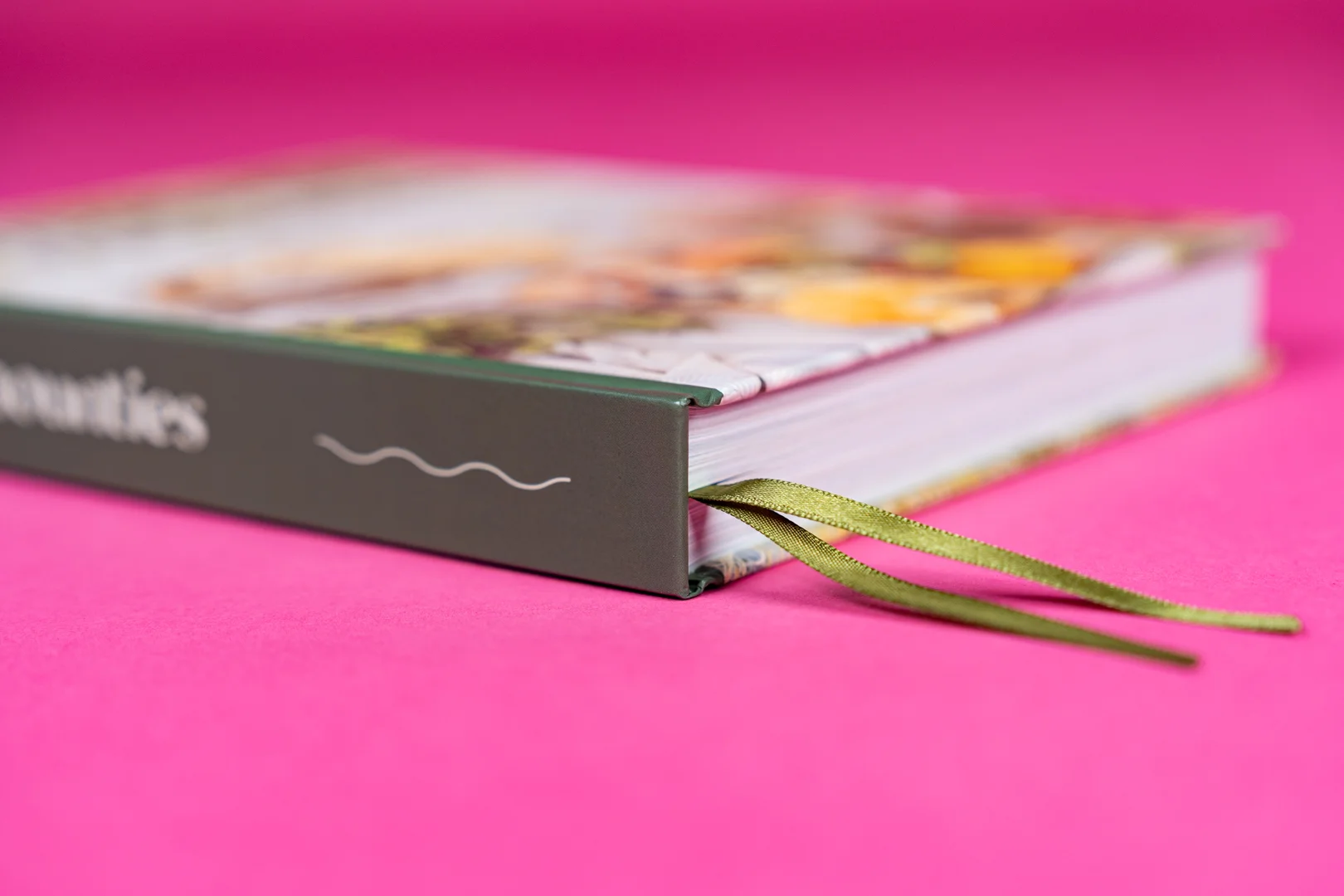
Many of MC2's clients produce limited-edition custom hardcover books NZ specifically for gifting purposes. These might include commemorative anniversary books for long-standing clients, bespoke recipe books for hospitality brands, or curated photography collections for property developers to give to new homeowners. The occasions are varied, but the underlying logic is the same: a high-quality physical book creates a lasting impression that digital communication simply cannot achieve.
The production process for gifting-focused books often involves shorter print runs, which require careful management to keep unit costs reasonable without compromising on quality. MC2 specialises in navigating exactly this challenge, sourcing suppliers whose capabilities align with the run length and finish requirements of each unique project.
If you are also exploring other specialised print formats with strong gifting potential, our detailed resource on Children's Book Printing Auckland: How to Bring Your Story to Life in Print is worth reading for insight into how MC2 approaches illustrated and gift-oriented print projects.
5. Versatility Across Industries and Audiences
Perhaps the most underappreciated quality of custom hardcover books NZ is their sheer versatility. This format serves an extraordinary range of purposes across almost every industry sector. From publishing and education to hospitality, real estate, fashion, and corporate communications, hardcover books adapt to deliver whatever experience the content demands.
This versatility is not accidental. It is the result of the wide range of sizes, binding styles, paper stocks, and cover treatments available in hardcover production. A compact, square hardcover journal feels completely different from a large-format landscape coffee table book, even though both are technically hardcover publications. The format bends to serve your purpose, not the other way around.
Industry Applications Across New Zealand
In New Zealand, MC2 has seen demand for custom hardcover books NZ grow across a diverse range of sectors. Publishers producing quality fiction and non-fiction titles choose hardcover for initial print runs to establish perceived value. Architecture and design firms commission coffee table books to showcase completed projects. Schools and universities produce commemorative hardcovers for significant milestones. Wineries, luxury lodges, and premium food brands create hardcover product and lifestyle books for their discerning clientele.
The common thread across all of these is a desire to communicate quality and permanence. Custom hardcover books NZ serve that goal across every industry, and MC2's role is to manage the production complexity so that clients can focus on the content and design rather than the technical minutiae of the print process. Just as we do with complex projects like tabletop game printing, which you can explore further in our guide on How to Get Your Board Game Printed in NZ: Your Complete Guide to Custom Game Printing, we bring the same rigour and attention to detail to every hardcover book project we manage.
Why MC2 Is the Right Partner for Custom Hardcover Books NZ
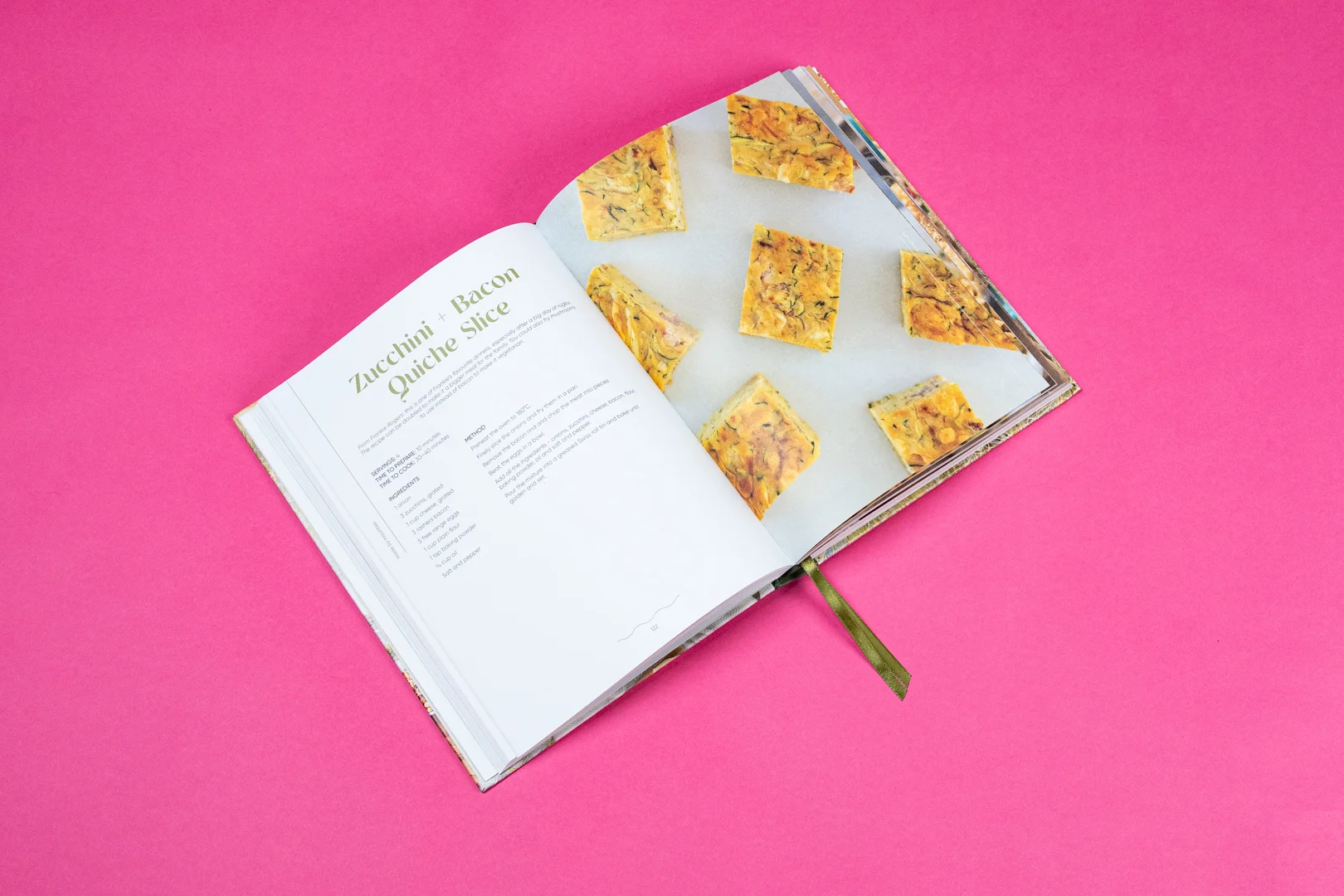
Producing custom hardcover books NZ is a technically demanding process. Unlike standard commercial printing, hardcover production involves multiple stages, cover board preparation, case making, text block printing and binding, and casing-in, each of which requires specialist knowledge and careful quality control. A misstep at any stage can affect the final product significantly.
MC2 operates as a print brokerage, which means we do not own printing equipment. Instead, we leverage deep supplier relationships and years of industry expertise to match each project to the right production partner. For custom hardcover books NZ, this means working with suppliers who have proven track records in case binding, cover finishing, and the precise colour management that premium books demand.
Our clients value the fact that we handle the complexity on their behalf. From preparing print-ready files and managing proofing rounds to overseeing production schedules and coordinating delivery, MC2 manages the entire workflow. When challenges arise, as they inevitably do in complex print production, our team steps in to troubleshoot and find solutions without disrupting the client's timeline or budget unnecessarily.
We are based at 28 Constellation Drive, Rosedale, Auckland, and we work with clients across New Zealand who want their custom hardcover books NZ produced to the highest possible standard. Whether your project is a 50-copy commemorative edition or a 2,000-copy trade run, we bring the same level of care and expertise to the table. You can learn more about our approach and capabilities at mc2.co.nz.
Frequently Asked Questions
What is the minimum print run for custom hardcover books NZ?
Minimum print runs for custom hardcover books NZ vary depending on the production method and supplier. Digital printing can accommodate shorter runs of 25 to 100 copies, while offset printing becomes more cost-effective at 500 copies and above. MC2 advises clients on the most suitable production method based on their run length, budget, and quality requirements.
How long does it take to produce custom hardcover books NZ?
Production timelines for custom hardcover books NZ typically range from three to eight weeks depending on complexity, finish requirements, and run length. Projects involving specialist finishes such as foil stamping or embossing may require additional lead time. MC2 manages production schedules proactively to keep projects on track and communicate any changes promptly.
What finish options are available for custom hardcover books NZ?
Custom hardcover books NZ can be produced with a wide range of cover finishes including foil stamping, embossing, debossing, spot UV coating, matte or gloss lamination, and cloth or linen wrapping. Interior pages can also feature a variety of paper stocks and weights. MC2 helps clients select finishes that align with their brand identity and production budget.
Can MC2 manage the full production process for custom hardcover books NZ?
Yes, MC2 manages the complete end-to-end production process for custom hardcover books NZ, from artwork preparation and proofing through to printing, binding, finishing, and delivery. As a print brokerage, we coordinate with specialist suppliers on your behalf and handle quality control at every stage, so you receive a finished product that meets your exact specifications.
What types of organisations typically order custom hardcover books NZ through MC2?
MC2 works with a diverse range of clients producing custom hardcover books NZ, including publishers, corporates producing annual reports and brand books, schools and universities creating commemorative publications, hospitality and lifestyle brands producing coffee table books, and individuals self-publishing high-quality titles. Our brokerage model allows us to serve projects of varying scales and budgets with the same professional attention.
Final Thoughts
Custom hardcover books NZ are one of the most powerful tools available to businesses, authors, and organisations who want to communicate quality, durability, and prestige. From the tactile experience of a premium cover finish to the lasting impression of a well-crafted gift, the format delivers in ways that no digital alternative can replicate.
The five reasons explored in this article, durability, brand prestige, premium finishing options, gifting appeal, and versatility, each represent a genuine return on investment for the organisations choosing to produce custom hardcover books NZ. When the format is executed well, it strengthens relationships, elevates perceptions, and creates lasting physical artefacts that carry your brand into spaces and conversations you might never have anticipated.
At MC2, we are passionate about helping New Zealand businesses get print right. If you are considering a hardcover book project and want expert guidance from concept through to delivery, we would love to hear about it.
Get in touch with the MC2 team today:
Email: maria@mc2.co.nz
Phone: 021 824 933
Visit: mc2.co.nz
Walk down the snack aisle at your local New World or Countdown and you will notice something. The shelf is dominated by flexible, upright packaging that displays product beautifully, seals freshness in, and communicates brand identity without saying a word. Stand up pouches have quietly become one of the most popular packaging formats in the New Zealand food, beverage, and retail market, and Auckland-based brands are leading the charge.
Whether you are launching a new cold brew coffee, a range of locally sourced trail mixes, or a boutique skincare line, stand up pouches Auckland suppliers and print specialists can help you get your product shelf-ready. But before you place an order, there is a lot to understand: materials, finishes, minimum order quantities, food-grade compliance, and design considerations all play a role in the final result.
At MC2, based in Rosedale, Auckland, we work with brands across New Zealand to source, manage, and quality-check custom printed packaging. This guide covers everything you need to know about stand up pouches Auckland, so you can make confident, informed decisions from day one.
Table of Contents
What Are Stand Up Pouches?
Stand up pouches, sometimes called Doypack pouches, are flexible packaging bags with a gusseted base that allows them to stand upright on a shelf without additional support. They were first patented in 1963 by French engineer Louis Doyen, but it is only in the last two decades that they have become a mainstream packaging solution globally, including here in New Zealand.
Their popularity comes down to practicality. Stand up pouches are lightweight, take up less storage space than rigid containers, and offer excellent product visibility when designed well. They are used across a wide range of categories, from coffee and tea to pet food, protein powders, spices, dried fruit, confectionery, liquid products, and even cosmetics.
For Auckland brands competing on supermarket shelves or selling through online retail, stand up pouches offer a professional, scalable packaging option that does not require the same capital investment as rigid or moulded packaging. That makes them particularly attractive for small and medium-sized NZ businesses looking to launch or grow a product range.
Common Types of Stand Up Pouches
There are several formats to be aware of when exploring stand up pouches Auckland options. The most common include pouches with a zip-lock resealable closure, pouches with a tear notch only, and pouches with a spout or nozzle for liquids and semi-liquids.
Window pouches, which feature a clear panel on the front or back, are popular for products where the physical contents add to the appeal, such as colourful sweets or premium loose-leaf tea. Clear pouches, where the entire surface is transparent, are another option for products that speak for themselves visually. Each format suits different product categories, and choosing correctly from the outset will save you both time and cost.
Materials and Finish Options for Stand Up Pouches
The material you choose for your stand up pouch directly affects shelf life, product safety, print quality, and sustainability credentials. This is one of the most important decisions you will make, and it is worth taking the time to understand your options before requesting a quote from any stand up pouches Auckland supplier.
Most stand up pouches are made from laminated film structures, meaning multiple layers of different materials are bonded together to achieve the desired combination of barrier properties, strength, and printability. Common structures include combinations of PET (polyethylene terephthalate), foil (aluminium), and PE (polyethylene), or variations using nylon and BOPP (biaxially oriented polypropylene).
Popular Material Options
A PET/PE structure is a common and cost-effective option suited to dry goods that do not require a high barrier against oxygen or moisture. It is lightweight and provides a good surface for flexographic or digital printing. For products that are sensitive to light, moisture, or oxygen, such as coffee, dried meats, or pharmaceutical goods, a foil laminate structure offers a superior barrier and significantly extends shelf life.
Kraft paper pouches have grown in popularity across the NZ market, driven by consumer demand for more natural-looking, eco-conscious packaging. They work well for artisan food brands, health products, and specialty retail. Compostable and recyclable film options are also now available, though they typically come with higher costs and slightly different printing constraints, so it is worth discussing these with your print manager before committing.
Finish options include matte, gloss, and soft-touch lamination, as well as spot UV, foil stamping, and embossing for premium applications. A matte finish has become particularly popular with premium NZ food brands because it conveys quality and stands out against the sea of glossy competitors on the shelf. Gloss finishes remain popular for value products and categories where vibrancy and colour saturation are the priority.
What NZ Brands Need to Know Before Ordering
Ordering custom printed stand up pouches Auckland is not as simple as uploading a logo and picking a size. There are several practical considerations that can significantly affect the outcome, especially for businesses ordering for the first time.
Minimum order quantities (MOQs) are often the first sticking point for smaller NZ brands. Most offshore manufacturers, who produce the majority of custom printed flexible packaging used in New Zealand, require MOQs of between 3,000 and 10,000 units per SKU. This is because the setup costs for flexographic printing plates and film lamination are spread across the run. Digital printing technologies are beginning to lower MOQs, but they come with trade-offs in colour range and material options.
It is worth having an honest conversation with your print manager about your realistic sales volumes before locking in quantities. Ordering 10,000 pouches of a product that sells 500 units per month ties up cash and storage space unnecessarily. Equally, under-ordering means you will face repeat setup costs sooner than expected.
Food-Grade Compliance in New Zealand
If your stand up pouch will be used for food or beverage products, food-grade compliance is non-negotiable. In New Zealand, food contact materials must comply with the Food Act 2014 and relevant standards, which require that packaging materials do not transfer harmful substances to food under normal conditions of use.
When sourcing stand up pouches Auckland, always request documentation confirming that the materials used are food-grade certified. Reputable manufacturers will provide migration testing certificates and material safety data sheets. This is particularly important if you are exporting to Australia or other markets, where additional compliance requirements may apply under the Australia New Zealand Food Standards Code.
Ink systems used in printing must also be food-safe, with printing on the outer laminate layer rather than in direct contact with the product. A good print broker will know which suppliers reliably meet these standards and will manage compliance documentation on your behalf, removing a layer of complexity from the process.
Lead times are another critical consideration. Custom printed stand up pouches from overseas manufacturers typically take between eight and ten weeks from artwork approval to delivery at your New Zealand address. Factoring in production time, ocean freight, and customs clearance is essential for launch planning. Working with an Auckland-based print manager means someone local is tracking your shipment and managing any delays proactively.
Design Considerations for Custom Printed Pouches
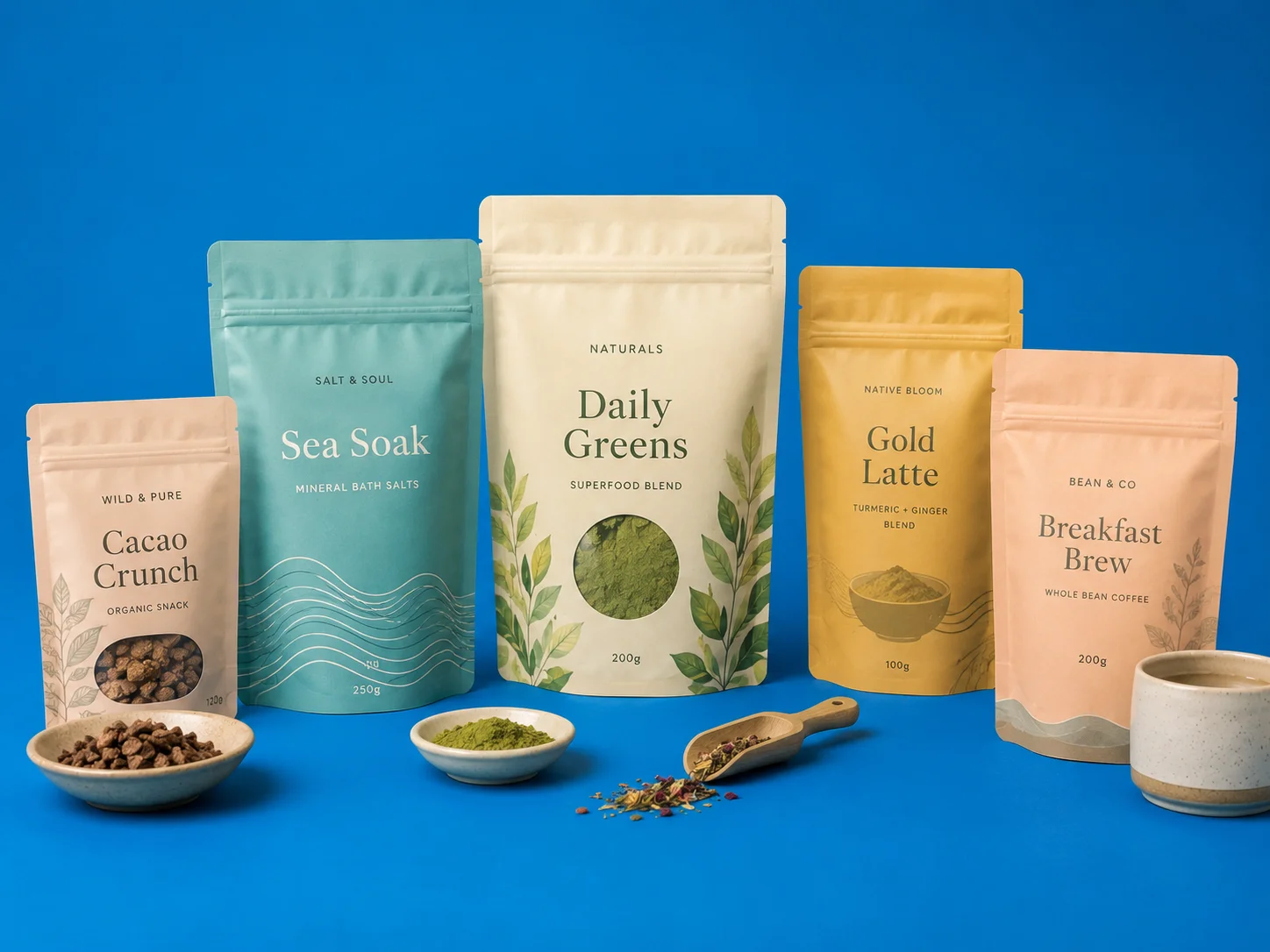
Good packaging design for stand up pouches is both an art and a science. The pouch format has its own set of design constraints that differ from flat labels or rigid packaging, and understanding these early will save costly revisions later.
The most important starting point is obtaining the correct die-line template from your supplier before your designer begins work. A die-line is the technical outline of the pouch, showing the exact printable area, seal zones, zip closure position, and any restricted areas. Placing key design elements too close to a seal zone is one of the most common errors in pouch design, and it can result in important branding or regulatory text being partially obscured or distorted after sealing.
Colour accuracy is another area that requires attention. Stand up pouches are typically printed using flexographic printing with a set number of spot colours, or using CMYK process printing for more complex artwork. Colours on screen often look quite different from colours on a flexo-printed film substrate, particularly for bright neon tones and very light pastel shades. Requesting a physical colour proof or a pre-production sample before committing to a full print run is strongly recommended, especially for brand colours where consistency across your product range is critical.
Regulatory labelling requirements in New Zealand must also be incorporated into the design from the start. Food products must meet the requirements of the Food Information Standard, which mandates nutrition information panels, ingredient lists, allergen declarations, country of origin statements, and other mandatory information. Attempting to fit these into a design retrospectively, after the layout has already been developed, is a frustrating and time-consuming process that is easily avoided with proper planning.
Finally, consider the customer experience. Where does the pouch sit in the usage journey? Does it need to be recloseable after opening? Should it have a hang hole for peg display? Is the tear notch positioned where it is intuitive for a consumer to use? These functional design elements are easy to overlook when focussed on the visual aesthetics, but they directly affect how your customer interacts with your product day to day.
Working With a Local Print Partner in Auckland
Sourcing stand up pouches Auckland through a local print management partner like MC2 offers a fundamentally different experience to going direct to an offshore manufacturer. The difference lies in expertise, accountability, and the ability to manage complexity on your behalf.
At MC2, we have established relationships with specialist flexible packaging manufacturers who meet the quality and compliance standards required for the New Zealand and Australian markets. We manage the full process from brief to delivery, including artwork checks, die-line review, pre-production samples, compliance documentation, production oversight, and freight management. This means you are not navigating unfamiliar territory alone, and there is a local point of contact if anything needs attention.
Much like the way we approach complex print projects such as getting a board game printed in NZ with our complete guide to custom game printing, flexible packaging requires careful supplier selection, technical knowledge, and hands-on quality management throughout the production process. The stakes are high when your product packaging is the first thing a customer sees.
We also work with clients across a diverse range of print categories. For brands who produce both product packaging and printed collateral, we can manage these alongside one another. If you are curious about the breadth of print projects we handle, our experience with children's book printing Auckland: how to bring your story to life in print is a good example of the precision and care we bring to every project, regardless of category.
Working with a local Auckland partner also means faster communication and more responsive problem-solving when issues arise during production. Time zone alignment with a New Zealand-based project manager, rather than communicating with an offshore manufacturer during your off-hours, makes a genuine difference when a decision needs to be made quickly to keep a production run on track.
For brands who are new to custom packaging, our role is also educational. We take the time to explain the options, help you understand the cost drivers, and guide you toward a specification that balances quality, compliance, and budget. If you are also working on other branded print assets, we can help you see the full picture, much as we do when helping clients understand children's book printing Auckland and how print specifications shape the final result.
Frequently Asked Questions
What is the minimum order quantity for stand up pouches Auckland?
Most custom printed stand up pouches Auckland suppliers require a minimum order of between 3,000 and 10,000 units per SKU, depending on the printing method and material specification. Digital printing options may allow lower quantities, though with some limitations on material choices and colour range. Discussing your realistic volume needs upfront with a print manager will help you find the most cost-effective solution.
How long does it take to receive custom printed stand up pouches in Auckland?
Lead times for custom printed stand up pouches Auckland typically range from eight to ten weeks from final artwork approval to delivery in New Zealand. This includes production time, quality inspection, ocean freight, and customs clearance. Planning ahead and allowing a buffer in your launch timeline is strongly recommended to account for any unforeseen delays.
Do stand up pouches need to be food-grade certified for NZ food products?
Yes, stand up pouches used for food or beverage products in New Zealand must be made from food-grade certified materials that comply with the Food Act 2014. Reputable manufacturers will provide migration testing certificates confirming the materials are safe for food contact. Always request this documentation before placing an order for any food packaging application.
What finishes are available for custom printed stand up pouches Auckland?
Common finish options for stand up pouches Auckland include matte lamination, gloss lamination, soft-touch lamination, spot UV, foil stamping, and embossing. Matte finishes are particularly popular with premium NZ food and health brands for their sophisticated appearance. Your choice of finish should align with your brand positioning and the substrate material you have selected.
Can MC2 manage the full sourcing and production process for stand up pouches in Auckland?
Yes, MC2 manages the entire process for stand up pouches Auckland clients, from initial brief and supplier selection through to artwork review, pre-production sampling, compliance documentation, production oversight, and delivery to your Auckland address. Having a local print manager handle this process removes complexity and provides a single point of accountability throughout the project.
Final Thoughts
Stand up pouches have become a cornerstone of modern product packaging in New Zealand, and for good reason. They are versatile, professional, cost-effective at scale, and highly effective at communicating brand identity on a crowded shelf. But getting them right requires more than selecting a size and uploading a logo.
For Auckland brands, working with a local print partner who understands the technical, compliance, and logistical dimensions of flexible packaging means fewer surprises and better outcomes. At MC2, we bring the same precision and accountability to stand up pouches Auckland that we bring to every print project we manage, from initial consultation through to final delivery.
If you are ready to explore custom printed stand up pouches for your NZ brand, or if you simply want to ask a few questions before committing, we would love to hear from you.
MC2 Print, 28 Constellation Drive, Rosedale, Auckland
Email: maria@mc2.co.nz | Phone: 021 824 933