
Your product might taste incredible, but if it arrives on a shelf in forgettable packaging, it is fighting an uphill battle. Food packaging Auckland businesses rely on does far more than hold a product together. It communicates quality, builds brand trust, meets legal requirements, and ultimately influences whether a customer picks up your product or reaches for a competitor's instead.
At MC2, we work with food businesses across New Zealand to create packaging that does all of the above and more. Whether you are launching a new product, refreshing an existing range, or scaling up production, this guide covers everything you need to know about food packaging in Auckland and beyond.
Table of Contents
Why Food Packaging Matters More Than You Think
Walk into any New World, Countdown, or specialty food store in Auckland and you will instantly see the power of packaging at work. Within seconds, shoppers are making judgements based entirely on what they see before they read a single ingredient or check a price tag. This is the silent salesperson effect, and food packaging Auckland producers get right is what drives it.
Research consistently shows that packaging design is one of the most influential factors in a consumer's purchase decision, particularly in the food sector. A well-designed package does not just look good. It communicates freshness, quality, origin, and values — all within a fraction of a second.
The Cost of Getting Packaging Wrong
Poor packaging choices can have real financial consequences. If your packaging fails to protect the product during transit, you face returns, complaints, and damaged brand reputation. If it looks cheap or inconsistent with your brand, you lose credibility even before a customer tries the product.
For Auckland food businesses in particular, where the market is competitive and shelf space is limited, packaging missteps can be especially costly. Getting it right the first time is not just a nice-to-have. It is a business necessity.
Packaging as a Brand-Building Tool
The most successful food brands in New Zealand treat their packaging as a brand asset, not an afterthought. Consistent colours, typography, and finishes across a product range create a unified identity that shoppers recognise and return to. Food packaging Auckland brands use strategically becomes part of their story.
From artisan honey to premium coffee blends, the brands that stand out on New Zealand shelves are the ones that have invested in packaging that reflects their values and speaks directly to their target customer.
Types of Food Packaging Available in Auckland
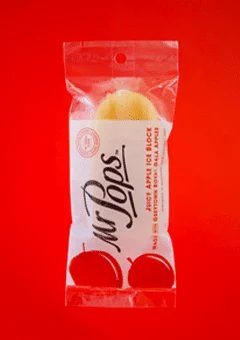
Food packaging is not a one-size-fits-all solution. The right format depends on your product, your distribution channel, your target market, and your budget. At MC2, we help Auckland food businesses navigate these choices so they end up with packaging that works in the real world.
Here is an overview of the most common food packaging formats and where each tends to work best.
Boxes and Cartons
Folding cartons are one of the most versatile formats in food packaging Auckland suppliers offer. They work beautifully for dry goods, confectionery, tea, cereals, and health supplements. They are printable across every surface, which gives your brand maximum visibility on shelf.
Cartons can be finished with a wide range of special effects including spot UV, matte lamination, embossing, and foil stamping. These finishes elevate the perceived value of a product significantly. Standard carton production typically takes around two weeks, while adding foil or other premium finishes extends this to two to three weeks.
Tube Packaging
Tube packaging is growing in popularity across the Auckland food and wellness market. It is a compact, premium format that works particularly well for products like seasoning blends, powders, protein supplements, and specialty teas. If you want to explore this format in more detail, our guide on Tube Packaging Auckland: The Complete Guide for NZ Product Brands is a great starting point.
Tubes offer 360-degree branding real estate and a tactile feel that stands out in a crowded category. They are also highly giftable, which makes them a smart choice for premium food ranges.
Labels and Flexible Packaging
Labels are a cost-effective entry point for many food startups in Auckland. Whether you are applying a label to a glass jar, a plastic container, or a pouch, a well-designed label can make a simple package look polished and professional.
Flexible packaging, including stand-up pouches and flat-bottom bags, has become increasingly popular for food packaging Auckland producers across categories like coffee, snacks, and frozen goods. Flexible formats are lightweight, reduce shipping costs, and offer excellent barrier properties to preserve freshness.
Custom and Specialty Packaging
For food brands looking to create something truly distinctive, custom packaging solutions open up a world of possibilities. From rigid boxes for premium gifting to bespoke inserts and custom tissue wrapping, the details matter when you are trying to create an unboxing moment.
Our full overview of options is covered in our guide on Custom Packaging Printing Auckland: The Complete Guide for NZ Product Businesses, which walks through formats, finishes, and how to brief your print partner effectively.
Design, Branding, and Compliance for NZ Food Products
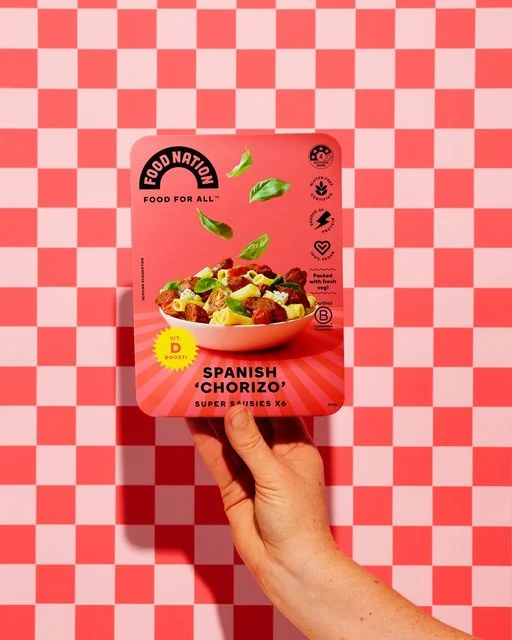
Great food packaging in Auckland needs to look good and meet the regulatory requirements that apply to food sold in New Zealand. These two goals are not in conflict, but they do require careful coordination between your designer and your print partner from the very beginning of the process.
New Zealand food labelling is governed by the Food Standards Australia New Zealand (FSANZ) framework, which sets out mandatory requirements for information that must appear on food packaging. These include the product name, ingredient list, allergen declarations, country of origin, net weight, and contact details for the responsible supplier.
Fitting Compliance Into Good Design
One of the most common challenges we see with food packaging Auckland brands bring to us is the tension between design aesthetics and mandatory label information. A beautifully minimal design can fall apart when a long ingredient list and allergen warnings need to be accommodated.
The solution is to plan for compliance from the start rather than treating it as an afterthought. Work with a designer who understands food labelling requirements and a print partner who can advise on font sizes, contrast ratios, and layout options that keep your packaging both compliant and visually strong.
Colour, Finish, and Print Quality
Colour accuracy is critical in food packaging. The appetite appeal of a product is directly tied to how the packaging colours render on shelf and in photography. A golden honey jar that prints too yellow, or a vibrant chilli sauce label that prints too dull, can undermine the premium positioning you have worked hard to establish.
At MC2, we manage colour proofing carefully to ensure what you approve is what gets produced. We also advise on the right substrates and finishes for your specific product and storage conditions. A matte laminate that looks stunning on a dry goods carton may not be the right choice for a product stored in chilled conditions, for example.
Finish choices also affect how food packaging Auckland brands photograph for online retail and social media. Gloss finishes can create glare under studio lighting, while satin and matte finishes tend to photograph more cleanly. These are the kinds of practical considerations a knowledgeable print partner will raise before production begins.
Working With MC2 for Food Packaging in Auckland
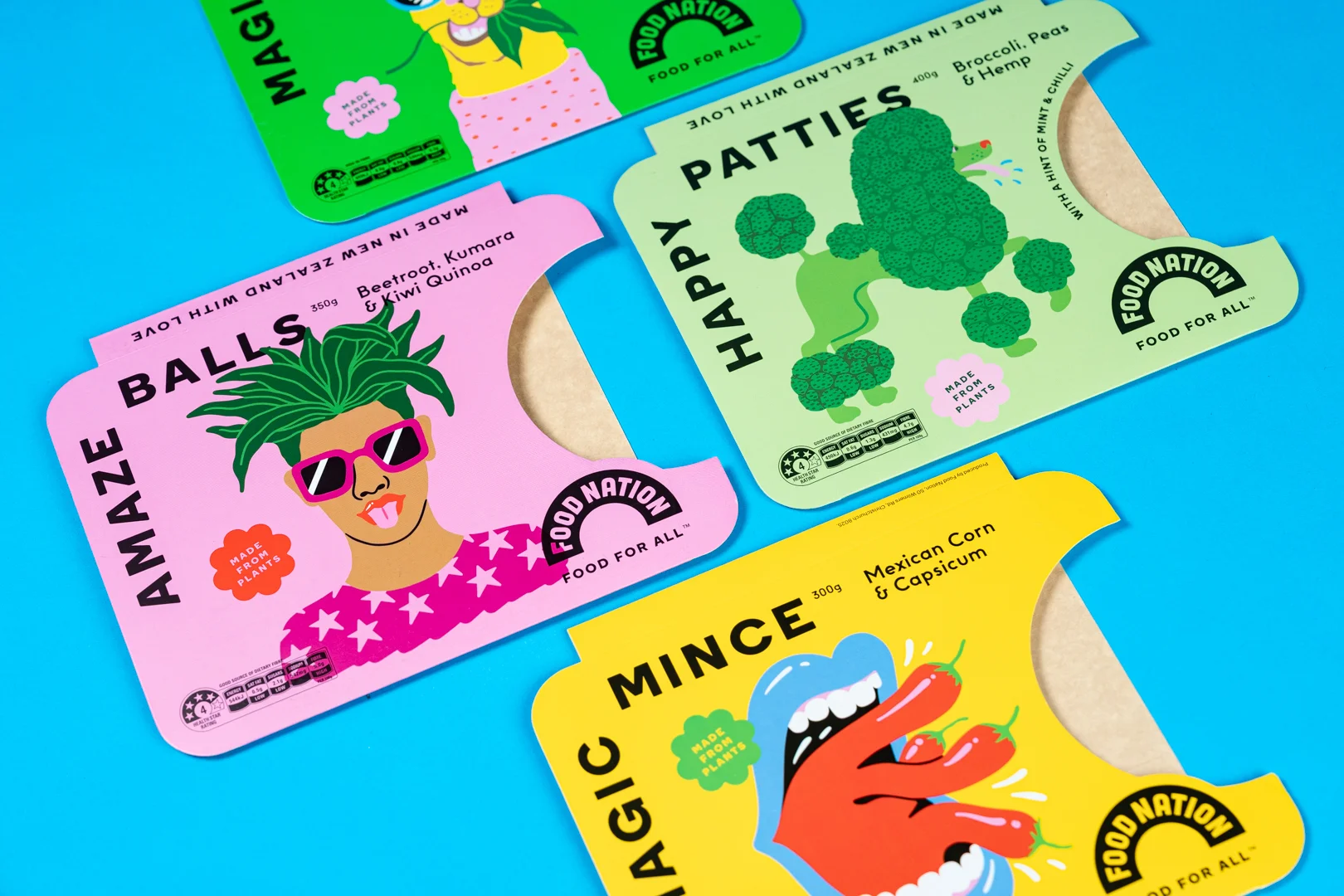
MC2 is a print broker based in Auckland, working with food businesses across New Zealand and internationally. Our role is to manage the entire print and production process on your behalf, from recommending the right format and materials through to quality control, delivery, and everything in between.
We are not a one-size-fits-all printer. We source from a carefully vetted network of specialist suppliers, which means we can match your project to the right production partner based on volume, format, finish, and budget. This gives our clients access to capabilities and pricing that would be very difficult to achieve by approaching suppliers directly.
What the Process Looks Like
When you bring a food packaging project to MC2, the process typically begins with a briefing conversation. We want to understand your product, your brand, your target market, your distribution channel, and any specific requirements you have around materials or finishes.
From there, we advise on the best format and production approach, prepare a quote, and once you are happy to proceed, we manage the supplier relationship, proofing, quality checks, and delivery. You stay informed at every stage, but you are freed from the complexity of managing it yourself.
For food brands producing a range of products, we also help manage consistency across SKUs. Matching colours, finishes, and structural elements across a product family is more technical than it sounds, and it is an area where having an experienced print partner makes a significant difference to the final result.
Timelines and Minimum Orders
One of the most common questions we receive about food packaging Auckland projects is around timelines and minimum order quantities. The answer depends on the format, finish, and supplier involved, but as a general guide, standard carton or box packaging takes approximately two weeks from approved artwork to delivery. Adding premium finishes such as foil stamping extends this to two to three weeks.
Minimum order quantities vary by format. Labels and flexible packaging often have more accessible minimums for smaller brands, while rigid or custom packaging typically requires higher volumes to be cost-effective. We are always transparent about these parameters upfront so there are no surprises.
We also work with food businesses at different stages of growth. Whether you are a market stall operator looking for a small run of quality labels or an established Auckland food manufacturer scaling up to high-volume production, we can find the right solution for your stage and budget.
It is worth noting that our expertise is not limited to food packaging. We also support NZ publishers and creators, as covered in our guide on Children's Book Printing Auckland: How to Bring Your Story to Life in Print, which gives a sense of the breadth of print projects we manage.
Frequently Asked Questions
What is the minimum order quantity for food packaging Auckland projects through MC2?
Minimum order quantities vary depending on the packaging format and the production partner we source for your project. Labels and flexible pouches often have lower minimums suitable for smaller brands, while custom cartons or rigid boxes typically require larger runs to be cost-effective. We will always advise on the most practical options for your volume and budget during the briefing stage.
How long does food packaging Auckland production take?
Standard carton or box packaging typically takes approximately two weeks from approved artwork to delivery. If your design includes premium finishes such as foil stamping or embossing, allow two to three weeks. We recommend factoring these timelines into your product launch planning from the outset.
Does MC2 help with food packaging design as well as print?
MC2 is a specialist print broker, so our primary expertise is in the production and management of print projects. We work closely with designers and can recommend experienced packaging designers in our network if you need design support. Where you already have a designer, we work alongside them to ensure artwork is print-ready and compliant with production requirements.
What food packaging formats does MC2 offer in Auckland?
We manage a wide range of food packaging formats including folding cartons, tube packaging, labels, flexible pouches, rigid boxes, and custom specialty packaging. The right format for your product depends on a range of factors including your product type, distribution channel, and branding goals. We are happy to talk through the options during an initial consultation.
Can MC2 help with food labelling compliance requirements in New Zealand?
While MC2 is not a regulatory consultant, we are experienced in working with food packaging Auckland brands to ensure that mandatory labelling information is incorporated into the design in a way that is both compliant and visually effective. We always recommend verifying your specific compliance requirements with a food labelling specialist or referring to the FSANZ guidelines directly.
Final Thoughts
Food packaging Auckland businesses get right is one of the most powerful investments a food brand can make. It protects your product, tells your story, meets your legal obligations, and wins customers at the shelf before a single word is read.
At MC2, we bring together print expertise, supplier relationships, and hands-on project management to help Auckland and New Zealand food brands produce packaging that delivers on every one of those fronts. Whether you are starting from scratch or refining an existing range, we would love to help you get it right.
Get in touch with the MC2 team today to discuss your food packaging project.
MC2 Print
28 Constellation Drive, Rosedale, Auckland
Email: maria@mc2.co.nz
Phone: 021 824 933
There is something undeniably impressive about a well-made hardcover book. Whether it is a glossy coffee table edition sitting on a client's boardroom table, a beautifully bound annual report, or a personalised branded gift handed to a key stakeholder, hardcover books communicate quality in a way that digital content simply cannot match. For NZ publishers, independent authors, and businesses looking to make a lasting impression, hardcover book printing Auckland is one of the most powerful investments you can make in your brand and your story.
At MC2, we work with clients across New Zealand to produce hardcover books that are built to last and designed to impress. This guide covers everything you need to know before placing your order, from binding methods and cover finishes to paper stock choices, minimum quantities, and realistic turnaround times.
Table of Contents
Why Choose Hardcover Book Printing?
Hardcover books carry a prestige that softcover editions simply do not replicate. The rigid boards, the quality paper within, and the premium finish on the outside all signal that what is inside is worth reading, keeping, and sharing. For NZ businesses and authors, that perception matters enormously.
When you invest in hardcover book printing Auckland, you are not just printing pages. You are creating an object with physical weight, shelf presence, and longevity. Hardcovers protect their contents far better than softcovers over time, making them ideal for reference books, heirloom editions, and high-value branded gifts that recipients are unlikely to discard.
The market for premium printed books is growing, not shrinking. According to the Publishers Association of New Zealand, locally produced books continue to hold strong cultural and commercial value across the country. Investing in quality hardcover production is a smart move for anyone serious about their print presence.
Binding Options Explained: Case Bound vs PUR
When it comes to hardcover book printing Auckland, the binding method you choose will affect durability, appearance, and cost. The two most common options MC2 offers are case binding and PUR binding. Understanding the difference will help you select the right method for your project.
Case Binding
Case binding is the traditional hardcover binding method and the one most people picture when they imagine a classic hardcover book. Pages are sewn or glued into sections called signatures, which are then attached to rigid boards wrapped in cloth, paper, or printed cover material. The result is an exceptionally durable book that lies flat when opened and can withstand years of repeated handling.
Case bound books are ideal for coffee table books, limited-edition publications, annual reports, and any project where longevity and a premium feel are non-negotiable. The spine can be printed, foil-stamped, or left clean, giving you a great deal of flexibility in terms of presentation.
PUR Binding
PUR (polyurethane reactive) binding uses a highly flexible, strong adhesive that bonds pages directly to the cover. It is widely regarded as the strongest adhesive binding available, offering better resistance to heat, cold, and humidity than traditional hotmelt glue. For NZ's variable climate conditions, this is worth noting.
PUR binding works well for books with heavier paper stocks, photo books, and any project where flexibility in the spine is important. It is also a popular choice for hardcover notebooks and branded gift books where the reader needs the pages to open and lay relatively flat. If you are also exploring premium journal formats, our guide on Custom Notebook Printing Auckland: The Complete Guide to Premium PU Leather Journals covers similar binding considerations in detail.
Cover Finishes That Make a Difference
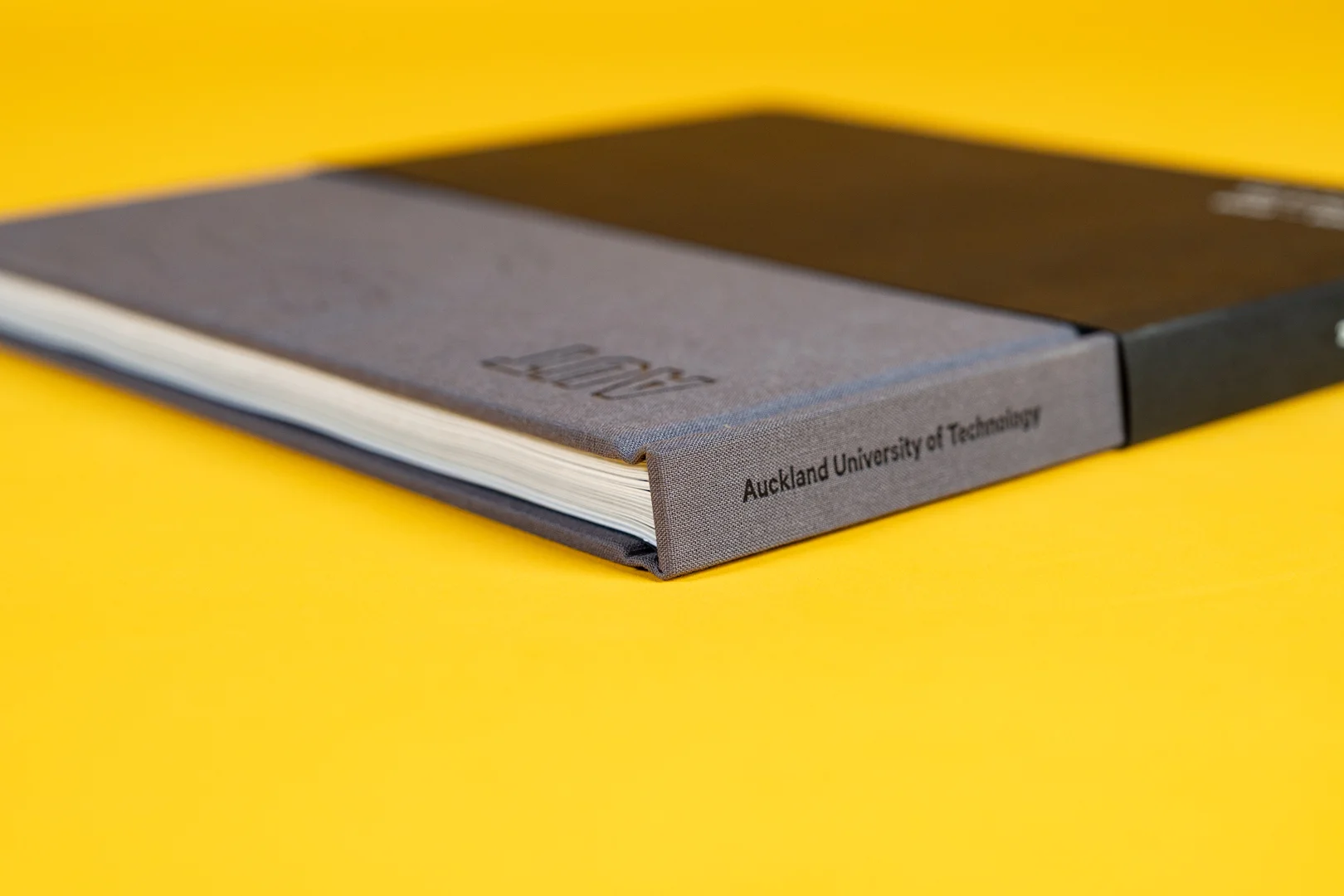
The cover of your hardcover book is the first thing anyone sees and touches. Getting the finish right is critical to making the right impression. MC2 offers a range of finishes that can transform a good cover design into something genuinely striking.
Matte lamination gives a sophisticated, understated look that works beautifully for corporate publications and literary titles. Gloss lamination adds vibrancy and depth to full-colour imagery, making it a favourite for coffee table books and photography collections. Soft-touch lamination is a premium option with a velvety texture that feels exceptional in the hand and pairs well with spot UV or foil accents.
Foil Stamping and Embossing
For projects where you want to go a step further, foil stamping and embossing are two of the most effective ways to elevate a hardcover book. Foil adds a metallic or holographic accent to your title, logo, or design elements, catching the light in a way that printed ink simply cannot replicate. Gold and silver foils remain consistently popular for high-end gift books and commemorative editions.
Embossing creates a raised or recessed impression in the cover board, adding texture and a tactile quality that immediately communicates craftsmanship. When used together, foil and embossing can create a cover that looks and feels genuinely luxurious. These finishes do extend production time slightly, so build this into your planning when discussing turnaround with the MC2 team.
Choosing the Right Paper Stock
The paper inside your hardcover book is just as important as the binding and cover. The right stock affects how images reproduce, how text reads, and how the finished book feels in the reader's hands. There is no single right answer here. The best choice depends on your content, your intended audience, and your budget.
For books with heavy photographic content, such as coffee table books or photography portfolios, a coated art paper (gloss or silk) in 150gsm to 200gsm is typically the preferred choice. Coated stocks produce sharp, vivid imagery with excellent colour reproduction, which is essential when the visuals are the centrepiece of the publication.
For text-heavy books, such as corporate publications, annual reports, or literary titles, an uncoated or lightly coated stock in the 80gsm to 120gsm range is generally more comfortable to read. Uncoated stocks have a natural, tactile quality that many readers find appealing and that is particularly fitting for books with a heritage or artisan feel.
Endpapers and Special Inserts
Endpapers are the sheets glued to the inside of the front and back covers of a case bound book. They are a detail that many clients overlook, but they can add a wonderful finishing touch. Printed endpapers featuring your brand colours, a map, an illustration, or a pattern can transform the inside of your hardcover and create a genuine sense of discovery when the book is first opened.
Special inserts, pull-out sections, or fold-out pages can also be incorporated into hardcover projects where the content calls for something a little different. Talk to the MC2 team early in your planning if you are considering any non-standard elements, as these will affect both production complexity and timing.
Common Use Cases for Hardcover Books in NZ
Hardcover book printing Auckland serves a remarkably wide range of clients and purposes. Understanding where hardcovers are commonly used can help you decide whether this format is the right fit for your project.
Corporate publications and annual reports benefit enormously from hardcover production. A well-bound, professionally finished annual report signals stability, credibility, and attention to detail. These publications are often distributed to shareholders, board members, and key partners, making quality presentation essential. Branded hardcovers used as gifts or awards are another growing category for NZ businesses, particularly in sectors such as property, finance, and professional services.
Coffee table books remain one of the most popular applications for hardcover book printing Auckland. Whether you are a photographer showcasing your portfolio, a local business celebrating a milestone, a charity documenting its impact, or an artist producing a limited-edition collection, a coffee table book creates a tangible legacy that recipients treasure. For children's book creators, hardcover editions also offer a more durable, premium format. Our article on Children's Book Printing Auckland: How to Bring Your Story to Life in Print explores that format in depth.
Independent authors and small publishers are also increasingly choosing hardcover for their first print runs, particularly for titles they intend to sell directly, present to literary agents, or enter for awards. A hardcover submission simply carries more weight, both literally and figuratively, than a softcover equivalent.
Minimum Quantities and Turnaround Times
One of the most common questions MC2 receives about hardcover book printing Auckland relates to minimum order quantities. Unlike mass-market offset printing, which demands very large runs to be cost-effective, our print partners offer flexibility that suits the NZ market well. Minimum quantities vary depending on the complexity of the project, but short runs are absolutely achievable for most hardcover specifications.
For standard case bound or PUR hardcover books, minimum quantities typically start from around 50 to 100 units for short-run digital printing. Longer offset runs become more cost-effective from around 300 to 500 units upward, depending on the specification. The MC2 team will always advise you on the most cost-effective quantity bracket for your specific project, balancing unit cost against your actual distribution needs.
Turnaround times for hardcover book printing Auckland are generally around two weeks for standard specifications once print-ready artwork has been approved. Projects that include foil stamping, embossing, or other special finishing techniques typically extend to two to three weeks. Rush timelines can sometimes be accommodated, but it is always best to plan your project with comfortable lead times to allow for proofing, review, and any adjustments before final production.
If you are comparing hardcover production with softcover options for a similar project, our comprehensive guide to Softcover Book Printing Auckland: The Complete Guide for NZ Businesses, Authors & Publishers is a useful reference point for understanding the differences in cost, timing, and appropriate use cases.
Preparing Your Artwork for Print
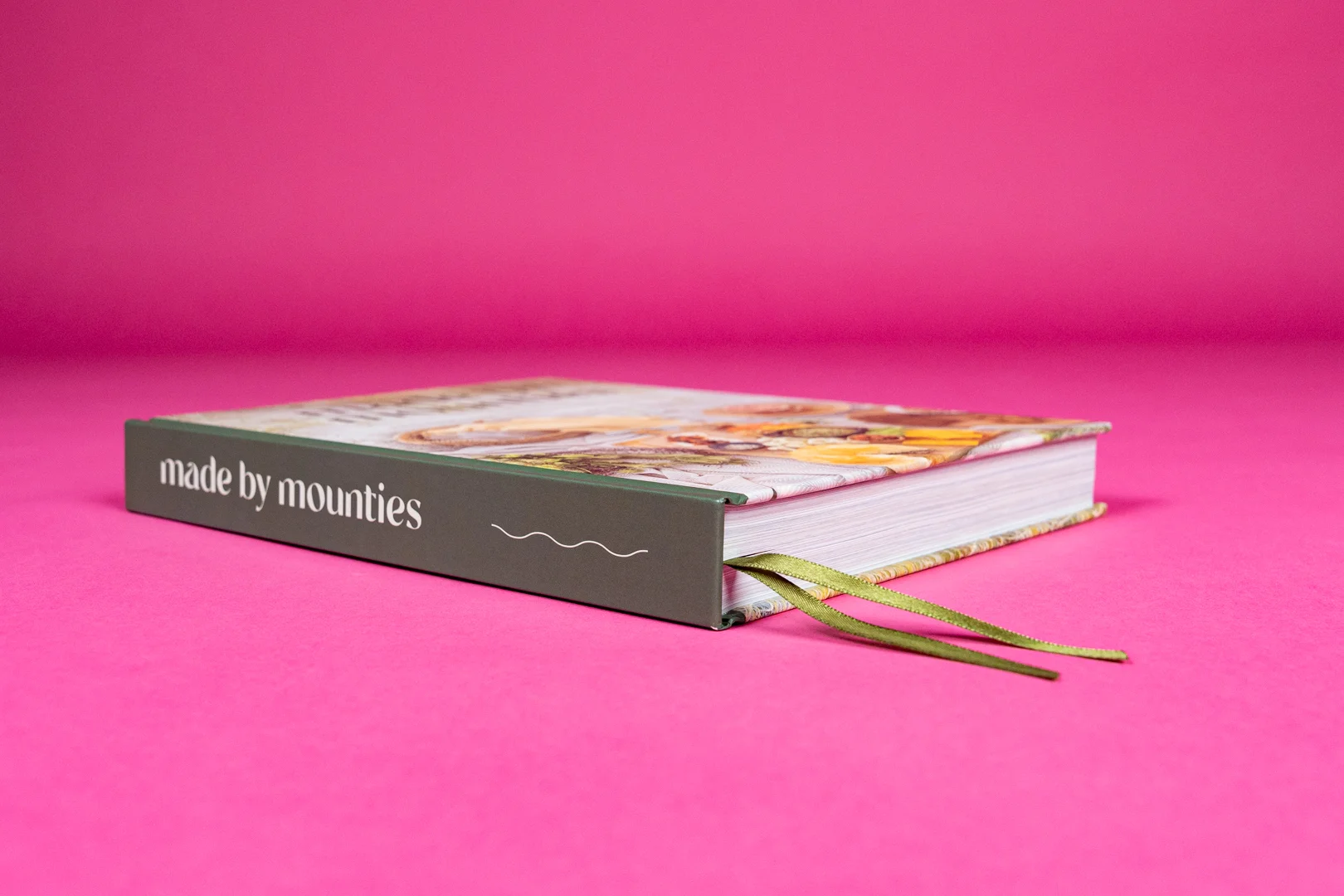
Getting your artwork right before sending it to print is one of the most important steps in any hardcover book printing Auckland project. Poorly prepared files are one of the leading causes of delays, additional costs, and disappointing print outcomes.
All files should be supplied at a minimum resolution of 300dpi at the final print size. Images sourced from websites or social media platforms are almost always too low in resolution for professional print use. Colour should be set to CMYK, not RGB, as RGB colour profiles are designed for screen display and will shift significantly when converted for print. Bleed should be included on all pages where colour or imagery extends to the edge of the page, typically 3mm on all sides.
The MC2 team reviews all files before they go to press and will flag any issues we identify. However, supplying well-prepared files from the outset saves time and gives you the best possible outcome. If you are working with a designer, share our print specifications with them early in the process so they can set up the document correctly from the start.
Frequently Asked Questions
What is the minimum order quantity for hardcover book printing Auckland?
Minimum quantities vary depending on the binding method and specification, but short runs from around 50 to 100 units are typically achievable for digital hardcover printing. Larger offset runs offer better unit pricing and become cost-effective from around 300 to 500 copies. The MC2 team will recommend the right quantity tier for your project and budget.
How long does hardcover book printing Auckland take?
Standard hardcover projects typically take approximately two weeks from approval of print-ready artwork to delivery. Projects involving foil stamping, embossing, or other premium finishing will generally take two to three weeks. Always discuss your deadline with the MC2 team at the start of the project to ensure we can meet your timeline.
What binding options are available for hardcover book printing Auckland?
MC2 offers case binding and PUR binding for hardcover books. Case binding is the traditional sewn or glued method using rigid boards, ideal for premium coffee table books and long-lasting reference publications. PUR binding uses a strong, flexible adhesive that performs particularly well with heavier paper stocks and in variable climatic conditions.
Can I include foil stamping on my hardcover book cover?
Yes, foil stamping is available for hardcover book covers and spines. Gold, silver, and a range of other foil colours and finishes can be applied to create a premium, eye-catching effect. Foil stamping extends the production timeline slightly, bringing the total turnaround to approximately two to three weeks rather than the standard two weeks.
What file format should I supply for hardcover book printing Auckland?
MC2 accepts print-ready PDF files as the preferred format, set up in CMYK colour mode at 300dpi with 3mm bleed on all edges. InDesign package files with linked assets and fonts can also be accepted in some circumstances. If you are unsure whether your files are print-ready, the MC2 team is happy to review them and provide guidance before production begins.
Ready to Print? Talk to MC2
Hardcover book printing Auckland is one of those investments that pays for itself in the impression it creates. Whether you are producing a limited-edition coffee table book, a polished corporate publication, a branded gift for key clients, or your debut as an independent author, a well-made hardcover book does things no digital alternative can. It sits on a shelf. It gets passed around. It gets kept.
At MC2, based in Rosedale, Auckland, we work with publishers, businesses, and authors across New Zealand to deliver hardcover books that meet the highest standards of quality and craftsmanship. From your first conversation to final delivery, we manage the process with the precision and care that your project deserves.
Get in touch with the MC2 team today to discuss your hardcover book project and receive a personalised quote.
MC2 Print
28 Constellation Drive, Rosedale, Auckland
Email: maria@mc2.co.nz
Phone: 021 824 933
Whether you are a first-time author bringing a manuscript to life, a business producing a professional training manual, or a publisher releasing a new title into the New Zealand market, softcover book printing Auckland is a bigger decision than it might first appear. The right binding, paper stock, cover finish, and print run can make the difference between a book that feels polished and authoritative and one that falls apart at the spine after a few reads.
At MC2, we work with authors, publishers, educators, and businesses across New Zealand to match each softcover project to the right supplier — whether that is a local Auckland print house or a trusted international partner — and manage the entire process from artwork file to finished book. This guide covers everything you need to know before you print.
Table of Contents
Binding Options: Which One Is Right for Your Book?
When it comes to softcover book printing Auckland clients most commonly ask about, binding is the first technical decision to get right. The binding method affects not just how the book looks, but how long it lasts, how it opens, and how cost-effective it is at different quantities.
Understanding the three most common softcover binding options will help you make a confident choice before going to print.
Perfect Binding
Perfect binding is the industry standard for softcover books, and for good reason. Pages are gathered into a text block, the spine is roughened, and a strong adhesive bonds a wraparound cover to the block. The result is a clean, flat spine where you can print a title — ideal for novels, business books, catalogues, and annual reports.
Perfect binding works best for books with a minimum of around 60 to 80 pages, as thinner text blocks do not provide enough spine width. For softcover book printing Auckland publishers and businesses need regularly, perfect binding offers a professional finish at a price point that scales well with volume.
Saddle Stitch Binding
Saddle stitching uses staples along the folded spine to hold pages together. It is cost-effective for shorter publications — think newsletters, booklets, programmes, and small catalogues — typically up to around 64 pages. The open-flat reading experience makes it popular for educational workbooks and event programmes.
It is worth noting that saddle stitch is not suitable for thicker books, as the staples cannot hold a heavy page count securely. If your project falls between saddle stitch and perfect binding territory, a good print broker will help you find the best fit.
PUR Binding
PUR (polyurethane reactive) binding is an upgrade on standard perfect binding, using a more flexible and durable adhesive that cures through a chemical reaction rather than simply drying. Books bound with PUR lie flatter when opened, resist cracking in cold or humid conditions, and generally outlast standard perfect-bound books significantly.
For softcover book printing Auckland projects that need extra longevity — such as reference guides, cookbooks, or workbooks that will be handled frequently — PUR binding is worth the modest additional cost. It is also a smart choice for books destined for export, where varying climates can cause standard adhesive to fail.
Paper Stock Choices for Softcover Books
Paper choice has a profound effect on the reader's experience. The weight, finish, and opacity of the interior stock shape how the book feels in the hand, how well the ink sits, and whether text or images bleed through from the reverse side.
Getting the paper specification right is one of the areas where working with an experienced print broker pays dividends, because the options can be genuinely overwhelming without insider knowledge.
The most common interior paper choices for softcover book printing Auckland projects include uncoated bond stocks (typically 80gsm to 100gsm), which are ideal for text-heavy books and give a classic, easy-to-read feel. Uncoated stocks absorb ink well, making them comfortable for long reading sessions.
For books with significant imagery — such as illustrated titles, children's non-fiction, or photography-led publications — a coated gloss or silk stock (typically 100gsm to 170gsm) delivers sharper image reproduction and richer colour. Our article on Children's Book Printing Auckland: How to Bring Your Story to Life in Print goes deeper on paper and print considerations for illustrated books.
Recycled and FSC-certified stocks are also increasingly popular with New Zealand publishers who want to align their print choices with sustainability values — and with reader expectations. MC2 can source these through our supplier network, and they perform well across most binding types.
Cover Finishes That Make an Impression
Your softcover cover is doing a lot of work. It has to attract attention on a shelf, communicate the book's tone and quality, and physically protect the interior pages. The laminate or coating you choose affects all three.
Cover finish is one of the most tactile decisions in softcover book printing Auckland clients work through, and the right choice depends on genre, audience, and budget.
Gloss Laminate
Gloss laminate is the most common cover finish for softcover books. It provides a shiny, light-reflective surface that makes colours appear vivid and saturated. It is durable, scuff-resistant, and cost-effective — a solid default choice for commercial fiction, business titles, and educational texts.
The main drawback is that gloss covers can show fingerprints and reflections under certain lighting, which some designers prefer to avoid. If your cover relies on subtle texture or muted tones, matte may serve you better.
Matte Laminate
Matte laminate has become increasingly popular across the New Zealand publishing market in recent years. It gives covers a soft, sophisticated feel that many readers associate with literary fiction, wellness titles, and premium non-fiction. Matte does not reflect light, which creates a more restrained, elegant look.
One practical consideration: matte covers can show scuffs or marks more easily than gloss during handling and distribution. A soft-touch matte laminate — a premium upgrade — adds a velvety texture that is more resistant to marking and feels luxurious in the hand.
Spot UV and Foil Options
For softcover book printing Auckland projects at the premium end of the market, spot UV coating and foil stamping can elevate a cover from attractive to genuinely striking. Spot UV applies a high-gloss coating to selected areas of the cover, creating contrast between the matte background and glossy highlights. Foil stamping adds a metallic or holographic element that catches the eye immediately.
These finishes are particularly popular for gift books, special editions, and professional publications where first impressions carry significant weight. If you are interested in how premium finishes work across other printed formats, our guide to Custom Notebook Printing Auckland: The Complete Guide to Premium PU Leather Journals covers similar finishing techniques in detail.
Minimum Print Runs and Cost-Effective Quantities
One of the most common questions we receive at MC2 is: 'How many copies do I actually need to print?' The answer depends on your distribution plan, budget, and how confident you are in demand — but there are some useful benchmarks for the New Zealand market.
For softcover book printing Auckland projects using digital printing, minimum runs can be as low as 25 to 50 copies. Digital printing is ideal for short runs, proofing, or titles where demand is uncertain. The per-unit cost is higher than offset, but there is no significant setup cost, and turnaround times are fast.
Offset printing becomes cost-effective at quantities of 500 copies and above. At this scale, the setup costs are spread across a larger print run, and the per-unit cost drops substantially. For established publishers or businesses with confirmed distribution, offset softcover book printing Auckland offers excellent value and exceptional consistency across large runs.
For many New Zealand authors and small publishers, a print run of 250 to 500 copies represents a practical sweet spot — large enough to bring per-unit costs down, small enough to manage cash flow and storage without significant risk. MC2 will work through the numbers with you honestly so you are not over-committed.
It is also worth knowing that international printing — particularly through suppliers in Asia — can offer significantly lower per-unit costs for runs of 1,000 or more. MC2 manages offshore print projects regularly, handling quality control, shipping logistics, and customs so that the process is as straightforward as printing locally. According to Publishing NZ, the New Zealand book publishing industry produces hundreds of new titles each year, and international print sourcing is an established part of how local publishers manage production costs competitively.
Quality Consistency and Turnaround Times in Auckland
Two pain points come up more than any others when NZ businesses and authors talk about softcover book printing Auckland: inconsistent quality across a print run, and turnaround times that fail to meet deadlines. Both are solvable problems when you have the right production management in place.
Quality consistency in large-run softcover printing depends on rigorous proofing, colour calibration, and oversight at key stages of production. A proof that is approved at the start of the job needs to be matched across every signature of the book — and that requires someone watching the output, not simply trusting that the press will hold steady throughout a long run.
At MC2, we manage quality control through every stage of production on behalf of our clients. Whether a project is running through a local Auckland facility or an international supplier, we review proofs, check colour against approved standards, and inspect finished samples before shipment is authorised. This is the same discipline we bring to every category of printed product, from softcover books to Custom Poster Printing NZ: Sizes, Finishes & How to Get It Right.
Turnaround times for softcover book printing Auckland projects vary by binding method, quantity, and supplier. As a general guide, digital short-run books can be ready in five to ten business days. Standard offset perfect-bound runs typically require two to three weeks. If your cover includes foil stamping or soft-touch laminate, factor in an additional week. For offshore production, allow four to six weeks from artwork approval to Auckland delivery, though this can vary depending on shipping and customs clearance.
The key to meeting your deadline is briefing early and building a realistic schedule from the outset. MC2 will map out a production timeline at the start of your project so there are no surprises as launch day approaches.
How MC2 Approaches Softcover Book Printing
MC2 is a print broker based at 28 Constellation Drive, Rosedale, Auckland — but our supplier network and project experience stretches well beyond the city. We work with trusted print facilities across New Zealand and internationally to match each softcover book project to the best possible production environment for its specific requirements.
Not every softcover book printing Auckland job should go to the same supplier. A 100-copy digital run for a corporate training manual has completely different requirements from a 2,000-copy offset run of a literary novel with a soft-touch matte cover and PUR binding. Our role is to understand your project in full and route it to the facility best equipped to deliver it, at the right price and within your timeline.
We manage the entire production process on your behalf, from reviewing and preparing your artwork files to overseeing proofing, press checks, finishing, and delivery. If something goes wrong at press — a colour inconsistency, a binding fault, a paper supply issue — we are the ones managing the resolution, not passing the problem back to you.
For authors and publishers, this means you can focus on the creative work while we handle the technical complexity. For businesses, it means your softcover book printing Auckland project is managed with the same level of rigour you would expect from any other significant production investment.
Frequently Asked Questions
What is the minimum print run for softcover book printing Auckland?
With digital printing, softcover books can be produced in runs as small as 25 to 50 copies, making it accessible for self-publishers and businesses testing a new title. Offset printing for softcover book printing Auckland typically becomes cost-effective at quantities of 500 copies or more, where the per-unit price drops significantly compared to short-run digital.
How long does softcover book printing Auckland take?
Turnaround times depend on the binding method, quantity, and finish selected. Digital short runs are typically ready in five to ten business days, while offset perfect-bound runs generally take two to three weeks. If your project includes premium finishes such as foil or soft-touch laminate, allow an additional week, and factor in four to six weeks for offshore production with shipping to Auckland.
What is the difference between perfect binding and PUR binding for softcover books?
Both are common choices for softcover book printing Auckland projects, but PUR binding uses a more flexible, durable adhesive that resists cracking and allows the book to open flatter. Standard perfect binding uses a hot-melt adhesive that is cost-effective and widely available, but PUR is recommended for books that will be handled frequently or stored in variable temperature environments.
What paper stock should I choose for my softcover book?
For text-heavy books, an uncoated bond stock of 80gsm to 100gsm provides a comfortable reading experience and absorbs ink well. For books with significant imagery, a coated gloss or silk stock of 100gsm to 170gsm will deliver sharper colour reproduction. When you work with MC2 on your softcover book printing Auckland project, we will recommend the most appropriate stock for your content, budget, and binding method.
Can MC2 help with softcover book printing if I am outside Auckland?
Absolutely. While MC2 is based in Auckland, we work with clients across New Zealand and manage both local and international print projects. Softcover book printing Auckland is our area of expertise, but we handle artwork, proofing, quality control, and delivery for clients nationwide, making the process straightforward regardless of where you are located.
Ready to Print Your Softcover Book?
Softcover book printing Auckland covers a wide spectrum of projects, from short-run self-published titles to large commercial print runs for publishers and businesses. Getting the binding, paper, cover finish, and print quantity right from the outset saves time, money, and the frustration of reprinting.
At MC2, we bring the technical knowledge, supplier relationships, and hands-on project management to make your softcover book printing Auckland project go smoothly from start to finish. Whether you have a fully designed file ready to print or you are still working through the specifications, we are happy to talk through the options and put together a detailed quote.
Get in touch with the MC2 team today.
Maria: maria@mc2.co.nz | 021 824 933
MC2 Print Brokers, 28 Constellation Drive, Rosedale, Auckland.
Walk into any New Zealand pharmacy, boutique gift shop, or specialty food retailer and you will notice something: the products that catch your eye first are almost always the ones with premium packaging. Tube packaging is one of the most versatile and visually striking formats available to product brands today. Whether you are launching a luxury skincare range, a boutique candle, a gourmet food item, or a gift set, tube packaging Auckland brands are increasingly turning to this format to stand out on crowded retail shelves.
At MC2, we manage the entire print and production process for New Zealand businesses looking for shelf-ready, custom tube packaging. From the initial artwork conversation through to delivery, we handle the complexity so you do not have to. This guide covers everything you need to know, from what tube packaging actually is, to the material and finish options available, and how the process works with us here in Auckland.
Table of Contents
What Is Tube Packaging?
Tube packaging refers to cylindrical or round boxes used to house and present a product. Unlike standard flat-sided cartons, tube packaging creates a 360-degree canvas for your brand, allowing your artwork, logo, and product story to wrap entirely around the package. This format is sometimes called a round box, canister packaging, or cylindrical gift box, depending on the specific construction and industry.
Tube packaging typically consists of a rigid or semi-rigid cylindrical body with fitted end caps, either a push-fit lid, a telescoping lid, or a hinged closure. The outer surface is wrapped with a printed sheet, which is where the magic of premium print finishes really comes into play. For NZ product brands exploring their packaging options, it is worth understanding that tube packaging sits at the intersection of function and presentation, protecting the product while making a strong retail impression.
Why Cylindrical Packaging Works in Retail
Retail shelf space is competitive, and most packaging is rectangular. A tube stands out simply by being different. The three-dimensional format naturally draws the eye, and because every side is visible from a shopping aisle, there is no single 'front' panel to get lost behind competitors. This makes tube packaging Auckland retailers stock a genuine asset for emerging and established product brands alike.
There is also a perceived value element. Consumers associate cylindrical packaging with premium or gifting products, which can support a higher price point at retail. For brands investing in product quality, the packaging should communicate that quality before a customer even opens the box.
Products That Suit Tube Packaging
One of the reasons tube packaging Auckland businesses are increasingly requesting is its versatility. It suits a surprisingly wide range of product categories, and the format scales well from small artisan runs to larger retail-ready volumes.
Cosmetics and Beauty Products
The beauty industry has long relied on tube and cylindrical packaging for high-end skincare, fragrance, and cosmetics. A premium moisturiser, a curated skincare set, or a boutique perfume all benefit from the elevated look a tube provides. The format also protects delicate product components during shipping and retail display. For Auckland-based cosmetic brands looking to compete with international labels at retail, tube packaging is a credible and cost-effective way to lift perceived quality.
Nail polishes, lip products, and travel-sized skincare ranges are also commonly packaged in tube formats, particularly when brands want to present multiple items together as a gift set. The cylindrical box becomes the gift itself, reducing the need for additional gift wrapping at point of sale.
Food, Beverage, and Specialty Goods
Gourmet food brands across New Zealand are using tube packaging for products like artisan teas, loose-leaf coffee, chocolate truffles, shortbread, and spice collections. The format keeps contents protected from moisture and light while presenting a premium image that suits both retail and gifting contexts. For small-batch food producers entering specialty grocery channels, tube packaging Auckland suppliers like MC2 can help deliver packaging that looks right at home alongside imported premium brands.
The food-safe material options available mean that tube packaging is not just decorative — it is functional and compliant with the requirements of the New Zealand food industry.
Gifts, Retail, and Lifestyle Products
Candles, bath salts, essential oils, small homewares, and curated gift sets all work beautifully in tube packaging. For gift-focused retailers, the format removes the need for secondary gift boxing because the tube itself reads as a gift-ready presentation. For brands selling through boutique retailers, markets, or online channels, tube packaging creates an unboxing moment that encourages social sharing and repeat purchases.
Stationery brands, games producers, and collectibles businesses also use tube packaging for posters, rolled maps, limited-edition prints, and small accessories. The format is more protective than a simple mailing tube and far more presentable at retail. If you are exploring the full spectrum of custom packaging formats available in New Zealand, our guide to Custom Packaging Printing Auckland: The Complete Guide for NZ Product Businesses covers the broader landscape in detail.
Materials and Finish Options
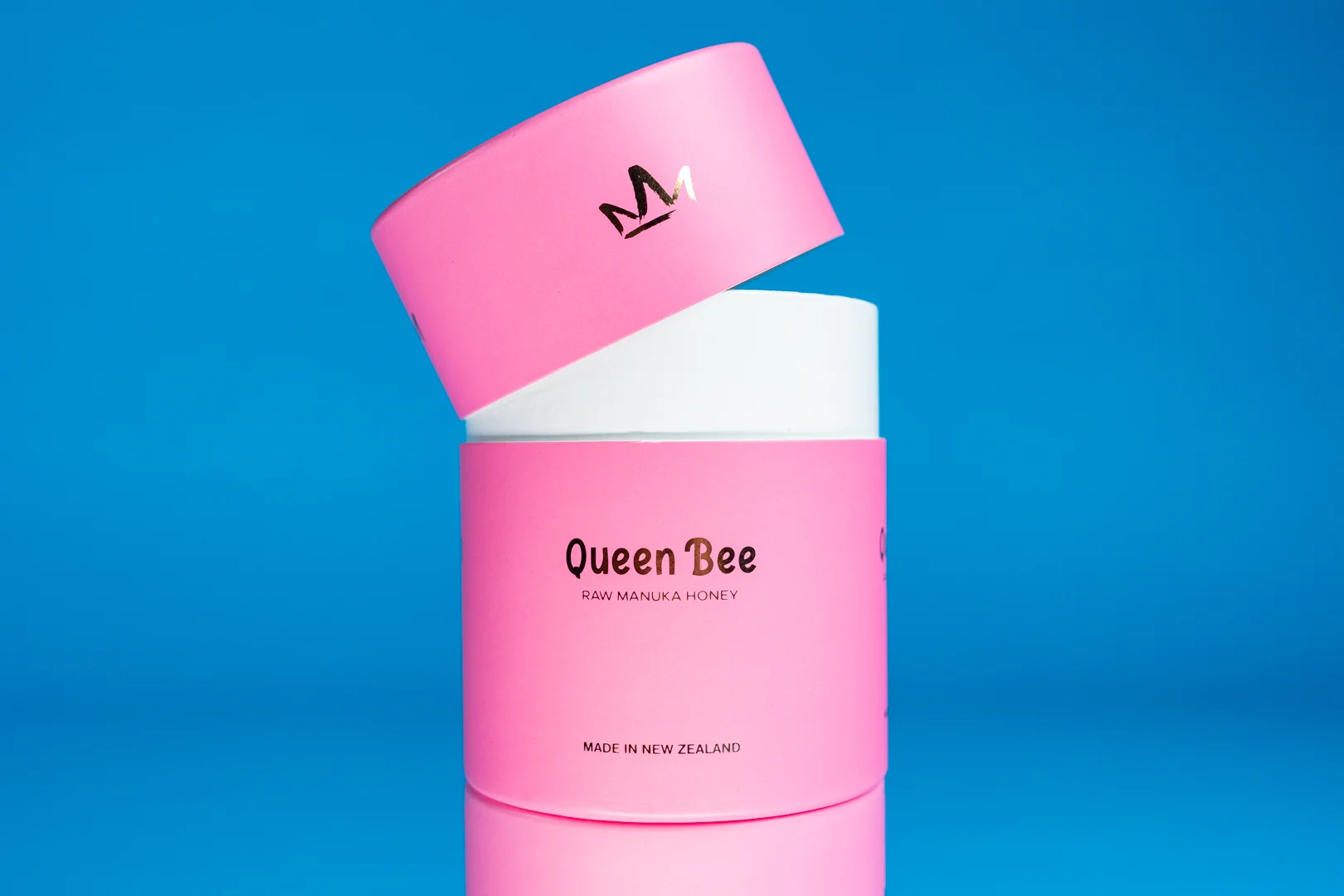
The material and finish choices you make for your tube packaging will define how it looks, feels, and performs at retail. Getting these decisions right requires both design knowledge and print production expertise, which is why working with a specialist like MC2 makes a real difference.
Tube packaging bodies are typically constructed from chipboard, kraft board, or rigid cardboard, wrapped with a printed outer layer. The thickness and quality of the board affects the structural integrity of the tube and how premium it feels in the hand. For products intended as gifts or luxury retail items, a heavier board weight is almost always the right choice.
Print and Finish Options That Elevate Your Packaging
The printed outer wrap is where your brand lives, and the finish you apply to that wrap makes a significant difference to the final result. The most popular options MC2 works with for tube packaging Auckland clients include:
-
Gloss lamination: A shiny, reflective finish that makes colours pop and adds durability. Ideal for cosmetics and food products where visual vibrancy is key.
-
Matte lamination: A soft, sophisticated finish that feels tactile and premium. Particularly popular for skincare, candles, and lifestyle brands.
-
Soft-touch lamination: A velvety matte finish that feels luxurious to the touch. Increasingly requested by premium gift and beauty brands.
-
Foil stamping: Metallic foil applied to specific design elements, such as logos or borders. Gold, silver, rose gold, and holographic foil options are available and create a strong shelf presence.
-
Spot UV: A clear gloss coating applied selectively over specific artwork elements, creating contrast and visual depth against a matte base.
-
Embossing and debossing: Raised or recessed texture applied to the surface for a tactile, high-end effect. Often combined with foil for maximum impact.
Choosing the right combination of materials and finishes is not always straightforward. MC2 works closely with each client to understand the product, the target retail environment, and the brand positioning before recommending a finish direction. This is the kind of technical guidance that makes a real difference to the outcome.
Production lead times for tube packaging are approximately two weeks for standard finishes. If your design includes foil stamping or other specialist finishes, allow two to three weeks. Planning ahead is essential if you have seasonal launches, gifting campaigns, or retail range reviews on the horizon.
How MC2 Manages the Production Process

Managing a custom packaging project involves far more than placing an order. There are structural specifications, artwork preparation requirements, print proofing stages, quality checks, and logistics to coordinate. For NZ product brands without in-house print expertise, this complexity can quickly become overwhelming. This is precisely where MC2 adds real value as a print broker.
We begin every tube packaging Auckland project with a detailed brief. We want to understand your product dimensions, your brand guidelines, your target retailer or distribution channel, and your timeline. From there, we advise on the most appropriate construction, board weight, and finish options before any artwork is finalised.
Artwork, Proofing, and Quality Control
One of the most common points of failure in custom packaging projects is artwork that looks right on screen but does not translate correctly to print. Colours shift, text placement becomes critical on a curved surface, and bleed requirements differ from flat carton printing. Our team reviews every artwork file before production begins, flagging issues and working with your designer or our own studio to resolve them.
We manage proofing at each stage of production, from digital proofs through to physical samples where required. Quality control does not stop at the proof approval stage; we monitor production runs and inspect finished units before sign-off. For tube packaging Auckland brands investing in premium finishes like foil or embossing, this hands-on oversight is what ensures the final product matches expectations.
Our approach is not dissimilar to how we manage other complex print projects. For example, the level of care we apply to packaging production is comparable to what we bring to specialist publishing work like Children's Book Printing Auckland: How to Bring Your Story to Life in Print, where precision and quality are non-negotiable.
Shipping and Delivery Across New Zealand
MC2 is based in Rosedale, Auckland, but we work with product brands across New Zealand. Whether you are based in Wellington, Christchurch, Hamilton, or anywhere else in the country, we manage the logistics of getting your finished tube packaging delivered safely and on time. Packaging is fragile in transit if not correctly packed, and we oversee delivery specifications to minimise the risk of damage.
For brands importing from offshore print partners, we also manage the quality assurance process remotely, reviewing production samples and coordinating freight. Our role is to be your eyes and ears throughout the process, wherever production takes place.
Why Auckland Brands Choose MC2 for Tube Packaging
There are several packaging suppliers and print companies operating in the New Zealand market, but the MC2 difference comes down to expertise, relationships, and accountability. We are not simply passing your job to a printer and stepping back. We are actively involved at every stage, from brief to delivery, and we take responsibility for the outcome.
Our supplier network gives us access to competitive pricing without compromising on quality. We know which production partners excel at specific finishes, which facilities have the machinery for short-run premium packaging, and how to structure a job to get the best result within your budget. This knowledge is built over years of managing complex print projects, and it is something that is genuinely difficult to replicate by going direct to a printer without that context.
For brands exploring other flexible packaging formats alongside tube packaging, we also specialise in other retail-ready solutions. Our guide to Stand Up Pouches Auckland: The Complete Guide for NZ Brands is a useful resource if you are considering pouches for food, supplement, or retail product lines.
Ultimately, tube packaging Auckland brands invest in should do two things: protect the product and sell it. When both of those goals are achieved, the packaging becomes a genuine commercial asset. That is the outcome MC2 works towards with every client, every time.
For further reading on the science and standards behind packaging materials and sustainability, Scion, New Zealand's research institute for forest, wood, and biomaterials, publishes useful resources on sustainable packaging innovation relevant to NZ businesses.
Frequently Asked Questions
What is the minimum order quantity for tube packaging Auckland brands can request?
Minimum order quantities vary depending on the construction, size, and finish of your tube packaging. MC2 works with clients to find the most cost-effective run size for their specific needs, whether that is a short run for a product launch or a larger volume for ongoing retail supply. Contact us directly and we will advise based on your brief.
How long does it take to produce custom tube packaging Auckland businesses order through MC2?
Standard tube packaging with lamination finishes takes approximately two weeks from artwork approval to delivery. Projects that include foil stamping, embossing, or other specialist finishes typically require two to three weeks. We always recommend building lead time into your project plan, particularly for seasonal or campaign-critical launches.
Can MC2 help with the design and artwork for my tube packaging Auckland project?
Yes. While many clients come to us with existing brand guidelines or artwork from their own designers, we can also assist with artwork preparation and design direction where needed. We review every file before production to ensure it is print-ready and that the artwork translates correctly to a cylindrical surface.
What types of finishes are available for tube packaging Auckland print projects?
MC2 offers a full range of finishes including gloss lamination, matte lamination, soft-touch lamination, foil stamping in multiple metallic options, spot UV, embossing, and debossing. The right combination depends on your brand positioning, target retail environment, and budget. We guide every client through these options as part of our initial brief process.
Does MC2 supply tube packaging Auckland to businesses outside of Auckland?
Absolutely. While we are based in Rosedale, Auckland, we work with product brands across New Zealand. We manage logistics and delivery nationwide, and we also coordinate offshore production where that is the best solution for your project. Geography is not a barrier to working with MC2.
Ready to Get Started?
Tube packaging Auckland product brands invest in is one of the most effective ways to elevate your presentation at retail, create a memorable gifting experience, and communicate premium quality before a customer even opens the box. Whether you are launching a new skincare range, expanding a food product line, or creating a limited-edition gift collection, MC2 has the expertise and supplier relationships to bring your vision to life.
We manage the entire process, from initial brief and material selection through to artwork proofing, production oversight, and delivery across New Zealand. Our role is to take the complexity off your plate and deliver a result you are genuinely proud of.
If you are ready to explore custom tube packaging for your brand, we would love to hear from you. Get in touch with our team today and let us talk through your project.
MC2 Print
28 Constellation Drive, Rosedale, Auckland
Email: maria@mc2.co.nz
Phone: 021 824 933
There is a quietly thriving world of custom card packs in Auckland and across New Zealand. Game designers are launching Kickstarter campaigns. Educators are creating bespoke learning tools. Marketers are using branded card sets to make their messaging memorable. And tarot creators are building beautiful, hand-crafted spiritual products with local stories at their heart.
Whether you are a small business owner, an independent creator, or a corporate team looking for a standout branded giveaway, printing custom card packs requires far more precision than most people expect. The card stock, the finish, the cut, the packaging, the minimum quantities — each decision affects the final product in ways that are easy to get wrong without guidance.
At MC2, based in Rosedale, Auckland, we help clients across New Zealand navigate every detail of printing custom card packs. This guide covers everything you need to know before you start.
Table of Contents
Types of Custom Card Packs We Print
Custom card packs Auckland clients bring to us span a wide range of categories. Understanding which type of card product you are creating helps us match you with the right printing solution, whether that is a local supplier or a specialist international printer with the exact capabilities your project needs.
Playing Cards and Branded Card Games
Standard playing card dimensions are 63mm x 88mm, but branded card games often use custom sizing to stand out on shelves or match specific gameplay mechanics. Auckland businesses use branded playing card sets as corporate gifts, event giveaways, and retail products. Getting the card weight and finish right is critical — a card that feels too thin or too slippery will undermine even the most beautiful design.
Tabletop game designers also come to us with more complex projects: custom card games with multiple card types, reference cards, and oversized action cards — all requiring consistent colour and weight across the entire set. This is where having a specialist print broker managing the process makes a significant difference to the final result.
Tarot and Oracle Decks
Tarot and oracle deck printing has grown substantially in New Zealand over the past several years, with independent creators producing stunning, culturally resonant decks that celebrate Māori narratives, Pacific identity, and local landscapes. These are premium print products. The artwork is intricate, the card handling needs to feel deliberate, and the packaging must match the quality of the cards inside.
Tarot decks typically contain 78 cards, while oracle decks vary in number. Creators often want linen or soft-touch finishes that feel luxurious in the hand. Colour accuracy is non-negotiable when the artwork is the product. We work closely with tarot and oracle creators to ensure their vision translates faithfully from screen to print.
Educational and Instructional Card Sets
Schools, early childhood education centres, health organisations, and corporate trainers across New Zealand regularly commission custom card packs Auckland-wide for learning purposes. These might be phonics cards, nutrition education sets, safety procedure cards, or professional development tools. Durability matters here — cards that will be handled repeatedly by children or used in workshop settings need a heavier stock and a finish that resists wear.
Educational card sets also benefit from careful attention to readability and contrast, especially if they are designed for use with children or people with visual impairments. Our role is to advise on the best combination of stock, finish, and print quality to support the instructional purpose of the product.
Card Stock & Finish Options: What You Need to Know
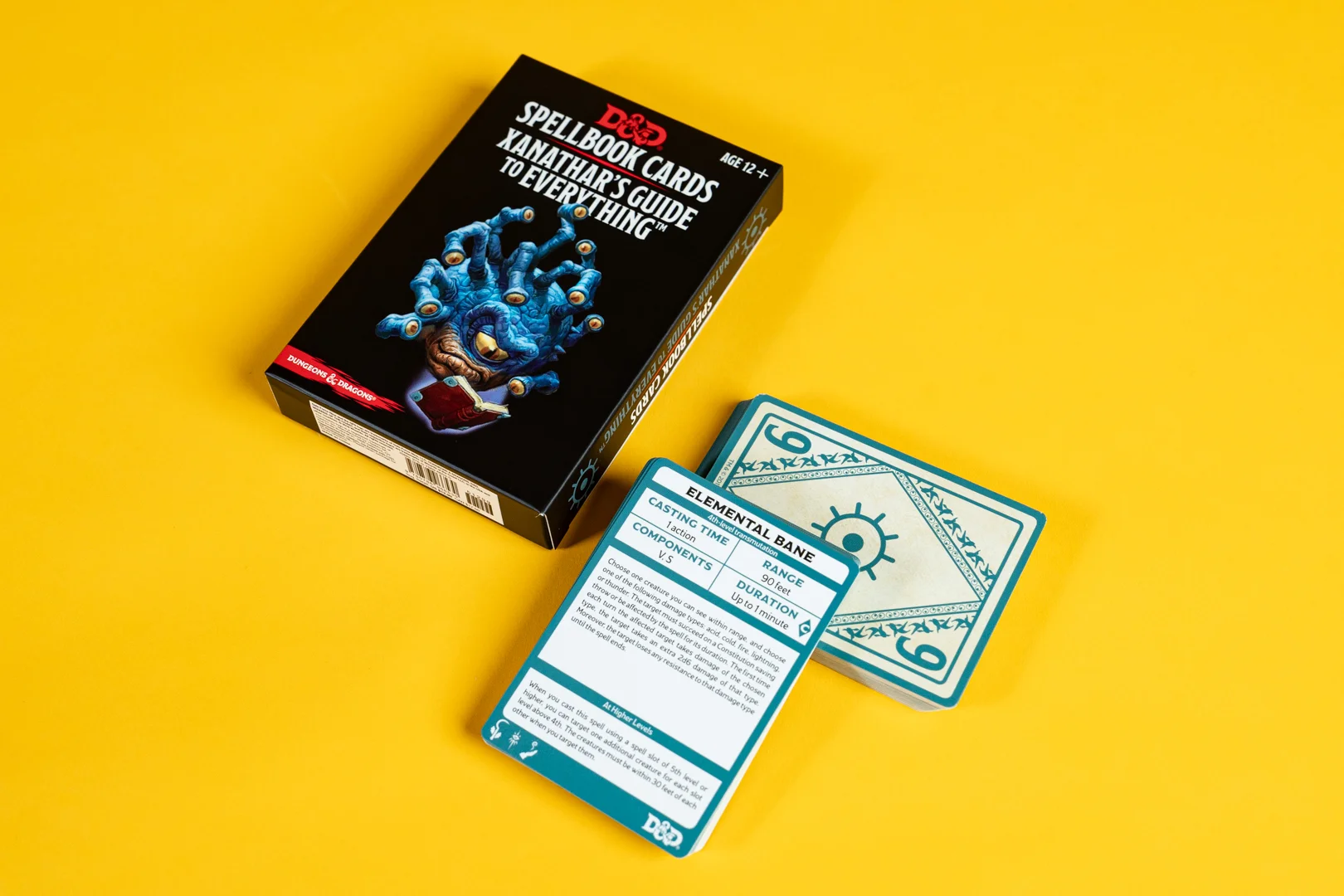
Choosing the right card stock and finish is one of the most important decisions you will make for your custom card packs Auckland project. It affects how the cards feel, how well they hold up over time, and how your colours and artwork are rendered. Getting this right requires understanding a few key specifications.
Card stock weight is measured in GSM (grams per square metre). For playing cards and tarot decks, the typical range is 280–350 GSM. Lighter weights feel flimsy and are generally unsuitable for card products that will be handled regularly. Heavier weights give a satisfying, premium feel but can be harder to shuffle without a linen or smooth finish. Educational cards for younger users often benefit from a laminated or coated stock in the 300–350 GSM range to withstand repeated handling.
Finish Options: Matte, Gloss, and Linen
The three most popular finishes for custom card packs are matte, gloss, and linen, and each creates a very different user experience. Matte finishes are popular for tarot and oracle decks where a premium, non-reflective surface lets the artwork breathe. Gloss finishes are vivid and eye-catching, making colours pop — ideal for branded card games and marketing-focused decks. Linen finishes have a subtle texture that mimics traditional playing card stock and improves grip and shuffle-ability, making them a favourite for game designers.
Soft-touch lamination is another option worth considering for high-end projects. It creates a velvety, almost suede-like surface that feels extraordinary in the hand. It adds cost but can be the right choice for premium retail products or gift sets where the tactile experience is part of the value. We always recommend ordering physical samples before committing to a finish for a large run, and we can arrange those samples for you.
Specialty Finishes: Foil, Spot UV, and Embossing
Many creators and businesses want their custom card packs to include premium finishing effects such as gold or silver foil stamping, spot UV coating, or embossing. These effects can elevate a card product from functional to collectible. Foil accents on tarot card backs, spot UV on a card game logo, or embossed detail on a corporate card set — these details communicate quality and care.
It is worth noting that specialty finishes extend production timelines and require careful technical management. They also need to be planned at the artwork stage, not added as an afterthought. We work with clients from the early design phase to ensure specialty finishes are set up correctly in the files and specified accurately with our printing partners. This is exactly the kind of project oversight that prevents expensive mistakes.
If you are interested in exploring the broader world of premium print finishing, our article on Custom Notebook Printing Auckland: The Complete Guide to Premium PU Leather Journals covers similar finishing considerations for high-end print products.
Box Packaging and Presentation
A beautifully printed deck of cards deserves packaging that matches its quality. For custom card packs Auckland clients, packaging is rarely an afterthought, it is part of the product. The box is the first thing a customer touches, the surface that carries your branding, and the structure that protects your cards in transit and on the shelf.
The most common packaging formats for card packs are tuck boxes, rigid lift-off lid boxes (also called two-piece or clamshell boxes), and telescoping boxes. Tuck boxes are the standard for playing card decks and are cost-effective for moderate to large runs. Rigid boxes are used for premium tarot decks, gift sets, and collector editions where the unboxing experience is part of the product's appeal. Each format has different minimum quantities, setup costs, and production times.
Box finishes mirror the options available for the cards themselves: matte, gloss, soft-touch lamination, foil, and spot UV are all achievable. For a cohesive product, we generally recommend aligning the box finish with the card finish. A matte soft-touch box paired with matte cards feels intentional and premium. Mixing finishes can work beautifully when done deliberately, but requires careful planning.
Production time for custom packaging is typically around two weeks. If your box includes foil stamping or embossing, allow two to three weeks. We will always give you a clear timeline at the start of your project so there are no surprises.
Good packaging design also involves practical considerations: card stack height, insert trays or dividers for multi-deck sets, and whether you want shrink-wrapping for retail distribution. These are details we work through with every client to ensure the finished product is both beautiful and functional. For more on how thoughtful print collateral supports brand presentation, our guide to Custom Brochure Printing: The Complete Guide for NZ Businesses covers similar principles for print marketing materials.
Minimum Quantities and Production Timeframes
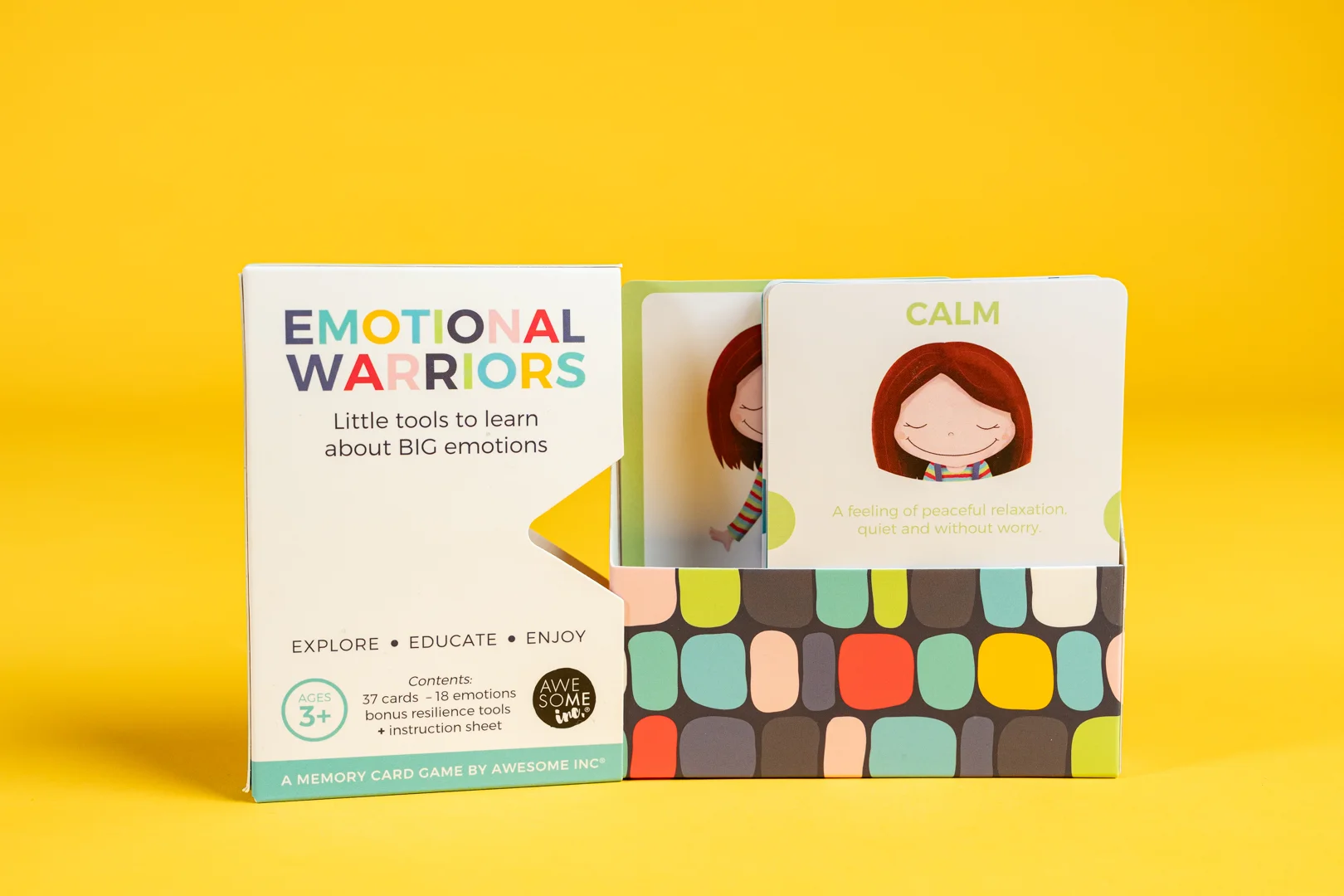
One of the most common questions we receive about custom card packs Auckland projects is: 'What is the minimum quantity I can order?' The honest answer is that it depends on your specifications and the printer best suited to your project.
For playing card and tarot deck printing, most specialist card printers work with minimum runs of around 500 decks. Some international printers MC2 works with can accommodate runs as low as 50 to 100 decks for smaller independent creators, though the unit cost increases significantly at lower quantities. If you are a first-time creator testing market interest, we can help you weigh up the economics of a small test run versus a larger initial print.
For branded card games and educational card sets, minimum quantities vary based on complexity. A simple two-card-type game might have a lower minimum than a complex game with eight card types, multiple finishes, and a custom rigid box. We work through the specifications with you upfront to give you realistic guidance on what quantities make economic sense for your specific project.
Production timeframes for custom card packs depend on the printer, the complexity of the job, and whether specialty finishes are involved. A straightforward playing card deck with a tuck box can often be produced in two to three weeks once artwork is approved. More complex projects with foil, embossing, or rigid box packaging typically require four to six weeks. We always recommend building buffer time into your timeline, particularly if your card pack is tied to a product launch, event, or retail delivery deadline.
Shipping and delivery timelines for internationally produced card packs should also be factored in. We manage the logistics of international print orders for our clients, coordinating delivery to your door anywhere in New Zealand. Understanding the full timeline from artwork approval to receipt is something we map out clearly at the start of every project.
Working with MC2 on Your Card Pack Project
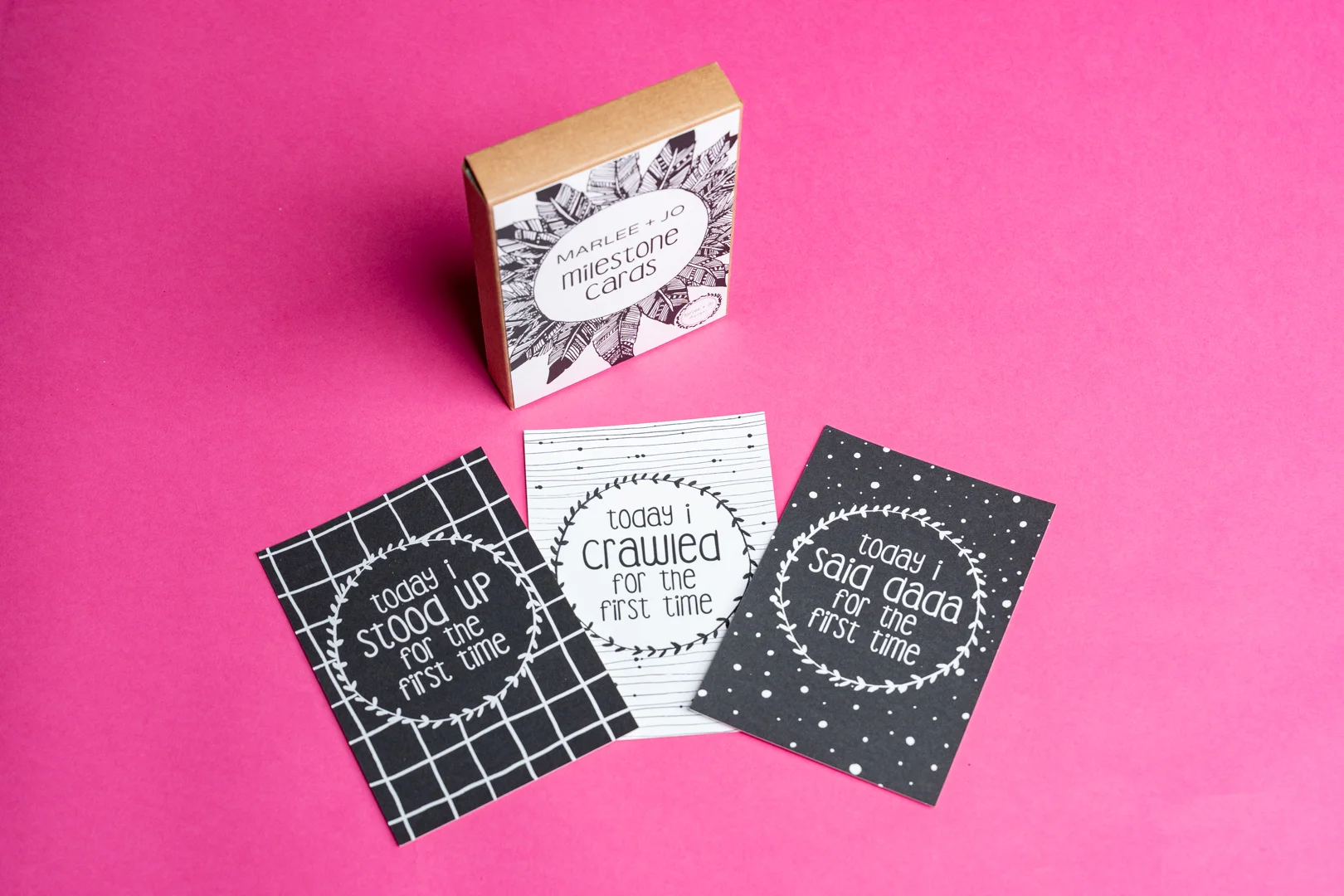
MC2 is a print brokerage based in Rosedale, Auckland, and we work with clients across New Zealand on everything from small independent creator projects to large corporate print runs. Our value is not just in finding competitive pricing — it is in the technical expertise, supplier relationships, and hands-on project management we bring to every job. When it comes to custom card packs Auckland clients need a partner who understands the full complexity of the product.
We have established relationships with both local New Zealand printers and specialist international card printing facilities. This means we can match your project to the right printer based on your specifications, timeline, and budget rather than limiting you to a single supplier's capabilities. A small-run tarot deck might go to a different printer than a 5,000-unit corporate card game, and we know which supplier will deliver the best result for each scenario.
Our process starts with a detailed brief. We want to understand your project fully: what type of card pack, how many cards in the set, your intended audience, your packaging requirements, your timeline, and your budget. From there, we prepare detailed print specifications and obtain quotes from suitable suppliers. We manage the proofing process, review press proofs on your behalf where applicable, and oversee quality control through to delivery.
We also help clients who are earlier in their process, before they have final artwork, to understand what specifications they need to brief their designer with. Designing for print is different from designing for screen, and card printing in particular has technical requirements around bleed, safe zones, colour profiles, and resolution that a designer needs to understand before they start. Getting this right at the design stage prevents costly revisions later.
For context on how we approach other premium print products, our detailed guide to Custom Poster Printing NZ: Sizes, Finishes & How to Get It Right illustrates the same level of technical care we bring to every print project. The Print NZ industry association also provides useful background on print quality standards in New Zealand.
Frequently Asked Questions
What is the minimum order quantity for custom card packs Auckland printing?
Minimum quantities vary depending on the type of card pack and the printer best suited to your project. For tarot and playing card decks, most specialist printers work with minimums of around 500 units, though some can accommodate smaller runs of 50 to 100 for independent creators at higher per-unit costs. We discuss your specific requirements and recommend the most cost-effective approach for your situation.
How long does it take to produce custom card packs in Auckland?
A straightforward card deck with a standard tuck box can typically be produced in two to three weeks once artwork is approved. Projects involving specialty finishes such as foil stamping or embossing, or premium rigid box packaging, generally require four to six weeks. We provide a clear timeline at the start of every project, factoring in any shipping time for internationally produced orders.
What card stock weight is best for playing cards and tarot decks?
Most playing cards and tarot decks are printed on stock in the 280 to 350 GSM range. Lighter weights can feel flimsy while heavier weights provide a satisfying, premium feel. The right weight depends on the intended use and the finish chosen — linen-finished heavier stocks are popular for game cards that need to shuffle well, while softer finishes work beautifully on heavier tarot card stock.
Can MC2 help with the packaging for my custom card packs Auckland project?
Yes, packaging is a core part of what we manage for custom card pack projects. We can source and coordinate tuck boxes, rigid lift-off lid boxes, and telescoping box formats to suit your product and budget. Box production typically takes around two weeks, or two to three weeks when foil or embossing is included. We ensure the packaging specifications are aligned with your card specs from the start.
Do I need final artwork before contacting MC2 about custom card packs Auckland?
No, you do not need finished artwork before getting in touch. In fact, we encourage clients to contact us before briefing their designer so we can provide the correct technical specifications upfront. This ensures your artwork is set up correctly for the print process, saving time and avoiding costly revisions. We are happy to provide a detailed spec sheet for your designer as part of our initial consultation.
Ready to Print Your Custom Card Pack?
Custom card packs Auckland creators and businesses are producing today are genuinely impressive. From independent tarot deck artists celebrating New Zealand culture to corporate teams creating branded games for client engagement, the demand for high-quality, thoughtfully designed card products is growing steadily.
Getting the result you want from a custom card pack requires expertise at every stage: the right stock, the right finish, the right packaging, and a print partner who manages the process with precision. At MC2, we bring that expertise to every project, whether you are printing 100 decks or 10,000.
If you are ready to explore custom card packs Auckland options or simply want to understand what your project might involve, we would love to hear from you. Get in touch with the MC2 team today.
MC2 Print
28 Constellation Drive, Rosedale, Auckland
Email: maria@mc2.co.nz
Phone: 021 824 933
There is a moment in every retail store where a shopper decides to grab something they did not plan to buy. More often than not, a well-placed, well-designed piece of print is what tips the decision. Point of sale displays are one of the most powerful tools in a retailer's arsenal, and for Auckland-based brands and marketing managers, getting them right means working with a print partner who understands the full process from design specs through to delivery.
At MC2, we work with retail brand owners and marketing teams across New Zealand to produce custom point of sale displays Auckland businesses can rely on. Whether you are launching a seasonal promotion, introducing a new product line, or refreshing your in-store presence, the right POS print can make a measurable difference to how shoppers engage with your brand on the floor.
This guide covers the main types of POS displays available, how they influence purchasing behaviour, and what the MC2 process looks like from brief to finished product.
Table of Contents
Why Point of Sale Displays Matter for NZ Retailers
Research consistently shows that a significant portion of purchase decisions are made in-store, at or near the point of purchase. According to POPAI, the global association for marketing at retail, over 70 per cent of brand decisions are made in-store. For New Zealand retailers operating in a competitive market, that statistic carries real weight.
Point of sale displays Auckland retailers invest in are not just decorative. They are strategic communication tools that draw attention to specific products, reinforce brand messaging, and create urgency around promotions. When a customer is browsing an aisle or standing at a counter, the right display can convert curiosity into a purchase.
The challenge for many NZ brands is producing POS print that looks professional, holds up in a retail environment, and arrives on time for campaign launches. That is exactly where a local print broker adds genuine value.
The Psychology Behind In-Store Print
Shoppers are bombarded with digital advertising before they even walk through a store door. Print in a physical retail space cuts through in a different way: it is tangible, immediate, and impossible to scroll past. A well-placed wobbler or a bold floor stand creates a physical interruption in the shopper's journey.
For Auckland retailers, this is particularly relevant during high-traffic periods such as Christmas, Easter, school holidays, and major sales events. Point of sale displays Auckland stores deploy during these windows often drive a disproportionate uplift in impulse purchases. Getting the print produced ahead of time, with accurate colour and structural integrity, is what makes that uplift possible.
Types of Custom POS Displays Available in Auckland
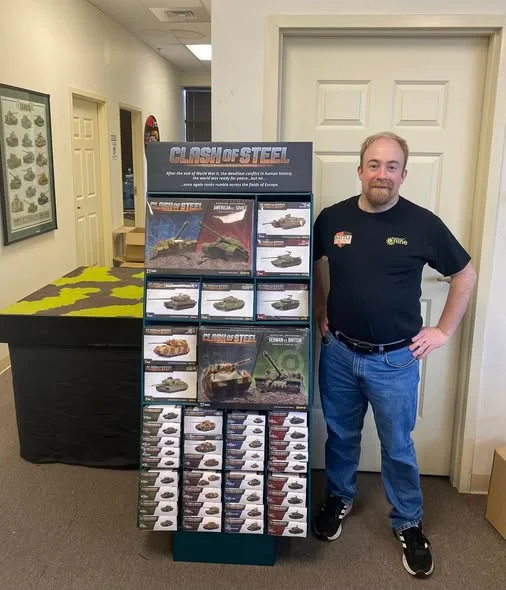
Not all point of sale displays are created equal. Different formats suit different products, store layouts, and campaign goals. Here is a breakdown of the main types MC2 produces for NZ retail clients.
Counter Displays and Dump Bins
Counter displays sit at the checkout or service counter, where shoppers are already paused and receptive. They are ideal for smaller impulse products such as snacks, accessories, gift cards, or travel-sized items. Dump bins serve a similar purpose but hold a higher volume of product and work well on the shop floor near entrances or high-traffic zones.
Both formats rely on strong structural printing, clean graphics, and finishes that hold up under repeated customer handling. MC2 manages the full specification process, ensuring your counter display is printed on the right substrate with the right finish for a retail environment.
Floor Stands and Freestanding Display Units
Floor stands are one of the most visible forms of point of sale displays Auckland retailers use to anchor promotions in open floor space. They work well for featured products, seasonal ranges, or brand storytelling. A well-designed freestanding display unit can effectively create a mini brand experience within a larger retail store.
The structural requirements for floor stands are more demanding than flat print formats. They need to be sturdy enough to withstand a busy retail floor, yet light enough for staff to reposition easily. MC2 coordinates with trusted production partners to ensure structural and print quality meet retail-grade standards.
Wobblers
Wobblers are small, spring-mounted printed cards that attach to shelf edges or product displays and literally wobble to attract attention. They are a cost-effective way to highlight a price point, promotion, or product feature at the exact moment a shopper is scanning a shelf. Despite their modest size, they punch well above their weight in terms of drawing the eye.
Point of sale displays Auckland campaigns often include wobblers as part of a broader POS suite, working alongside shelf talkers and counter cards to create a consistent, layered in-store presence.
Shelf Talkers and Barker Cards
Shelf talkers are printed cards that project out from the shelf edge, interrupting the shopper's scan and directing attention to a specific product or promotion. Barker cards perform a similar function, often positioned at the front of a shelf bay. Both formats are widely used by FMCG brands, supermarkets, pharmacies, and specialty retailers across New Zealand.
The key to effective shelf talkers is precise sizing, durable stock, and print that holds its colour under store lighting. MC2 handles the technical specifications so that your shelf talkers arrive print-ready and fit for purpose across multiple store locations.
Posters and Window Graphics
Large-format posters and window graphics extend your POS campaign beyond the shelf. They are ideal for communicating brand identity, seasonal themes, or hero promotions at a scale that cannot be missed. If you are running a coordinated campaign, it pays to have your posters designed and produced alongside your other POS elements to ensure visual consistency.
MC2 also handles custom poster printing NZ-wide: sizes, finishes and how to get it right, making it straightforward to bundle your poster and POS print needs into a single managed project.
MC2's Process: From Design Specs to Production
One of the most common pain points for marketing managers overseeing POS campaigns is the gap between what was designed and what arrives at the store. Colours shift, dimensions are slightly off, or the substrate is not quite right for the application. Managing these risks requires hands-on technical oversight at every stage, which is exactly what MC2 provides.
We work as a print broker, which means we manage the production relationship on your behalf, drawing on established supplier networks to source the right print solution for your brief. Our role is not simply to pass your file to a printer. We assess the brief, advise on materials and finishes, manage proofing, oversee production, and handle quality checks before anything reaches you.
Briefing and Specification
Every point of sale displays Auckland project we take on starts with a thorough briefing process. We ask the right questions: What retail environment will this display live in? How long does it need to last? Will it be handled frequently? Does it need to be assembled in-store? What is the campaign timeline?
These details directly affect material choices, print methods, and structural considerations. Getting the specification right at the start saves time and cost further down the line, and avoids the kind of costly errors that can derail a campaign launch.
Proofing and Quality Control
Colour accuracy is critical for retail print. A brand colour that appears slightly different on a floor stand compared to the packaging on the shelf is the sort of inconsistency that erodes brand trust. MC2 manages colour proofing carefully, reviewing physical or digital proofs against brand standards before approving a full print run.
Quality control does not stop at proofing. We conduct checks throughout production and again at dispatch. For complex POS print that involves special finishes, structural elements, or multi-component assemblies, this oversight is what ensures the final product matches the approved proof.
Turnaround Times
Standard POS display printing typically takes approximately two weeks from approved artwork to delivery. If your project includes foil stamping or premium finishes, allow two to three weeks. We plan production schedules with campaign deadlines in mind, so it pays to bring us in early rather than chasing a tight window.
For brands managing multiple retail locations across New Zealand, we can coordinate split deliveries so that each store receives its POS materials ahead of the campaign launch date. This kind of logistical management is part of the MC2 service, not an afterthought.
The Local Auckland Print Broker Advantage
There is a real, practical benefit to working with a locally based print broker for your point of sale displays Auckland projects. Communication is direct, response times are fast, and there is no time-zone barrier when you need to make a last-minute change or chase a proof.
MC2 is based in Rosedale, Auckland, which puts us in the same time zone and business rhythm as our New Zealand retail clients. When a print issue arises mid-production, we are available immediately to troubleshoot and find a solution. That local accountability matters when your campaign has a fixed in-store launch date.
It is also worth noting that the relationships we hold with production partners across New Zealand and internationally allow us to source competitive pricing without compromising on quality. For retail brands producing point of sale displays across multiple campaigns per year, that adds up to meaningful savings.
Beyond POS: A Print Partner for the Full Brand Experience
Retail brands rarely need just one type of print. If your business also produces product packaging, you may already know that packaging print requires its own level of technical management. MC2 also works with NZ food, beverage, and consumer goods brands on flexible packaging solutions. If that is relevant to your business, our guide on stand up pouches Auckland: the complete guide for NZ brands is worth a read.
And if your brand extends into publishing or educational retail products, MC2 handles those projects too. Our work on children's book printing Auckland: how to bring your story to life in print is a good example of how we manage end-to-end print production across very different product categories.
The benefit of working with a single trusted print broker across multiple print categories is consistency: consistent quality standards, consistent communication, and a partner who understands your brand across every format it appears in.
Frequently Asked Questions
What types of point of sale displays Auckland retailers commonly use?
Auckland retailers typically use a combination of counter displays, floor stands, shelf talkers, wobblers, barker cards, and window graphics. The right mix depends on your store layout, product type, and campaign objectives. MC2 can advise on the most effective formats for your brief.
How long does it take to produce custom point of sale displays Auckland businesses need?
Standard point of sale displays Auckland projects typically take approximately two weeks from approved artwork to delivery. Projects involving foil or premium finishes may take two to three weeks. Bringing MC2 into the process early helps ensure your materials arrive ahead of your campaign launch date.
Can MC2 handle point of sale displays for multiple retail locations across New Zealand?
Yes. MC2 manages POS print projects for NZ brands with stores across multiple locations, coordinating split deliveries so each site receives its materials on time. Our nationwide supplier network and project management process make this straightforward.
What information do I need to provide to get a quote for point of sale displays Auckland?
To provide an accurate quote, MC2 will need to know the display types and quantities required, your finished dimensions, the retail environment the displays will be used in, any special finishes needed, and your campaign timeline. The more detail you can provide upfront, the more precise and useful the quote will be.
Why work with a print broker rather than going directly to a printer for point of sale displays Auckland?
A print broker like MC2 offers technical expertise, quality control, and project management that goes well beyond simply placing an order. We manage the full process from specification and proofing through to delivery, reducing the risk of costly errors and ensuring your point of sale displays Auckland campaign lands on brief and on time.
Ready to Boost Your In-Store Visibility?
Point of sale displays Auckland retailers invest in are one of the highest-impact ways to influence purchasing decisions at the moment that matters most. Whether you need a suite of shelf talkers for a FMCG campaign, a run of floor stands for a seasonal promotion, or wobblers to lift attention on a new product line, MC2 has the expertise and production network to deliver.
We manage every stage of the process, from design specifications and material selection through to quality control and delivery, so you can focus on the campaign rather than the production logistics. Our team is based in Rosedale, Auckland, and we work with retail brands across New Zealand.
If you are ready to take your in-store print presence to the next level, get in touch with the MC2 team today.
MC2 Print
28 Constellation Drive, Rosedale, Auckland
Email: maria@mc2.co.nz
Phone: 021 824 933